


Contributor
Building Resilience in Communities (BRIC)
Date
8 January 2026
Ever found yourself watching the rain outside the window and wondering… “But what if I get flooded?”
It’s a question that has probably crossed your mind at least once – how do I keep the water out? And what happens if it does get inside?
With the heavy rain we’ve had recently, this worry has become even more relevant.
The world of property flood resilience can seem overwhelming and expensive. But when it comes to protecting your home in a hurry, there’s a lot you can do with things you might already have lying around.
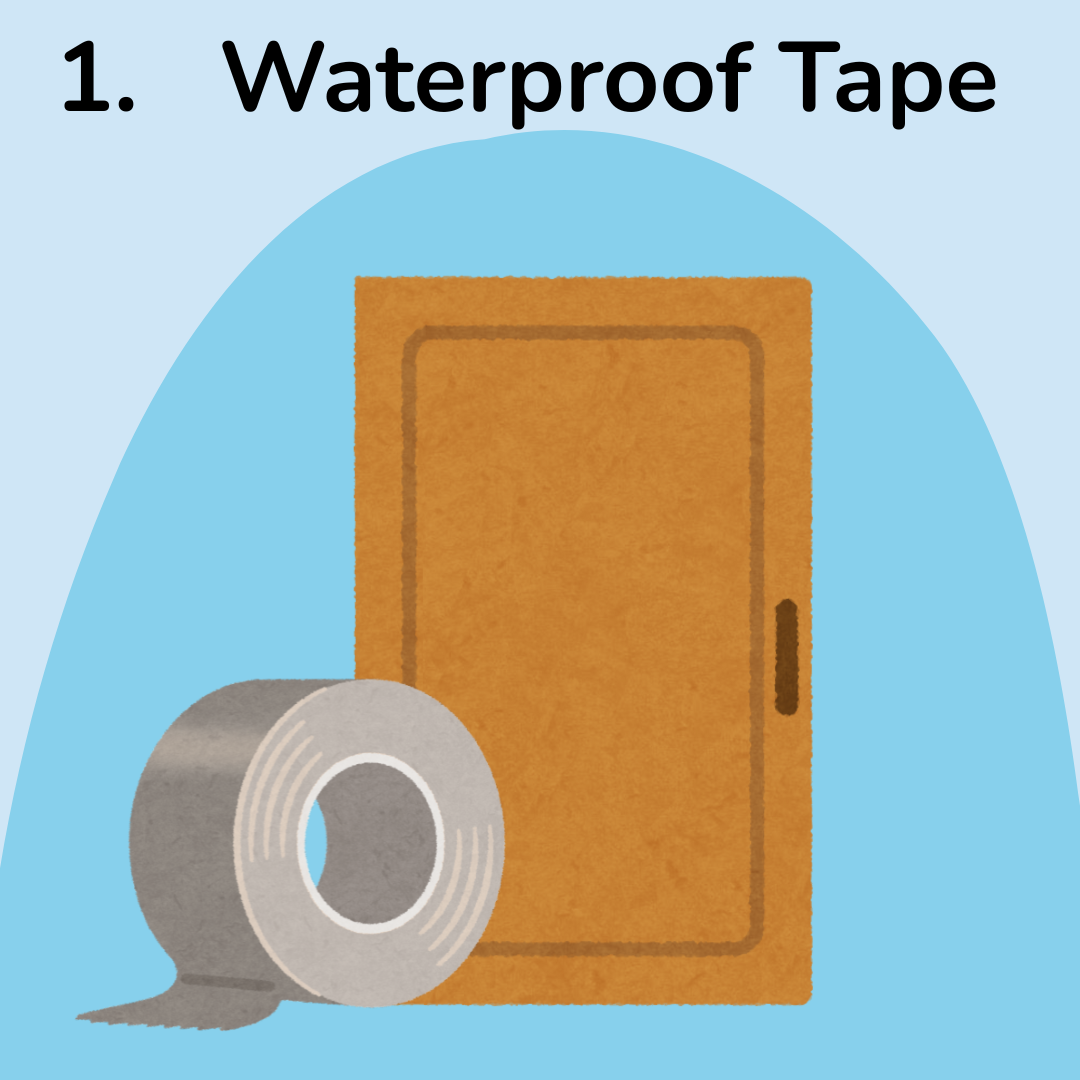
Our first household flood protection tip is all about waterproof tape.
If you don’t already have some waterproof tape (we recommend aluminium tape), you can pick up a roll or two from most DIY shops for around £5 - £10. Look for tape that is water resistant, usually advertised for sealing leaks.
When heavy rain is forecast, this tape can be used to secure cracks around external doors or windows and cover the holes in air bricks – blocking water from coming inside.
Once the rain has passed, the tape can be removed and disposed of.
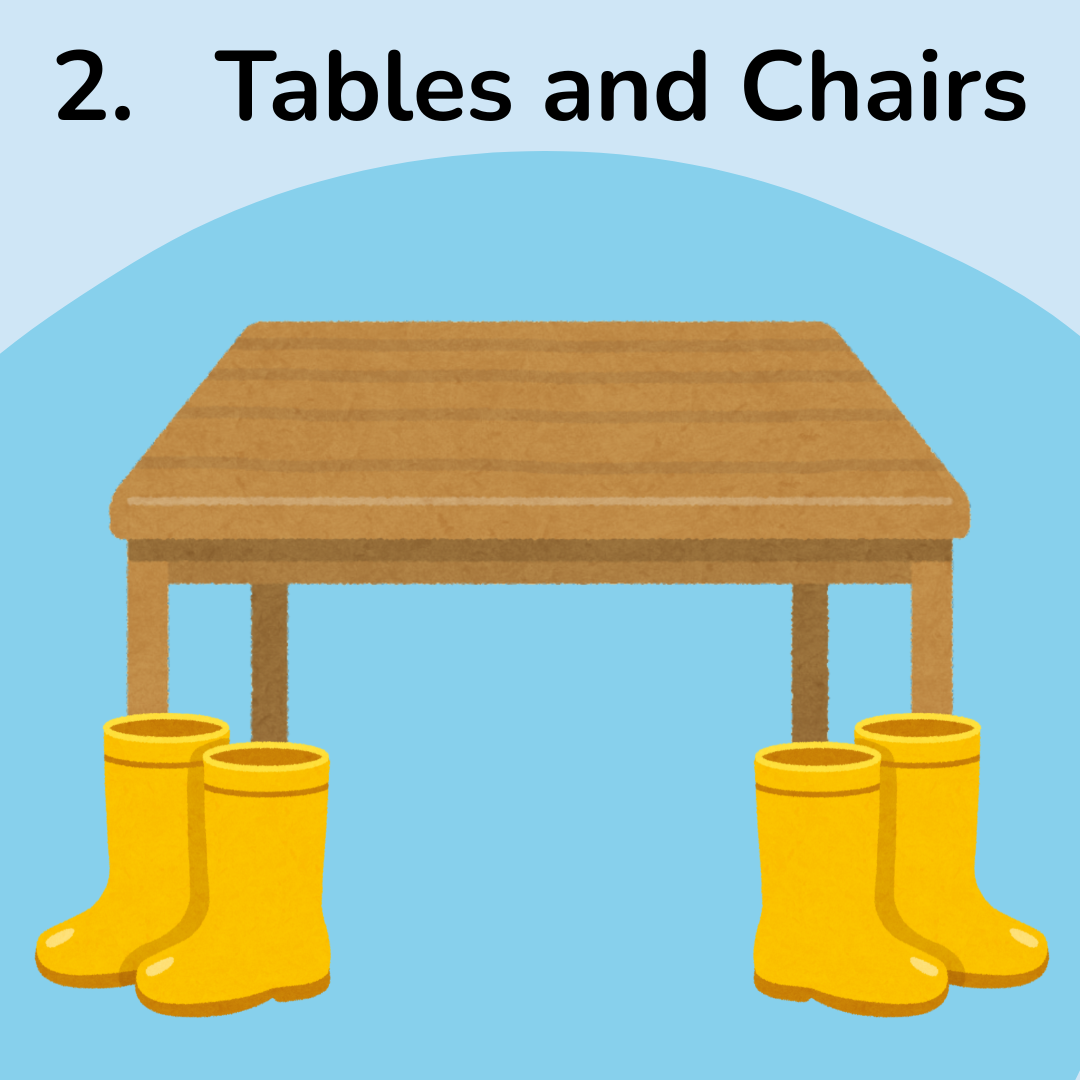
If flood water enters your home, tables and chairs can be at risk of being damaged. Even a few centimetres of water can lead to damp and contaminated wood.
However, if you have some wellies or other waterproof boots handy, you can save yourself from having to replace these key pieces of furniture after a flood.
If flooding is expected, place each leg of a table or chair into a boot, protecting them from any water that enters the house.
You can also cut off the tops of large plastic bottles and use them too – save a few from your recycling and keep them in a cupboard just in case.
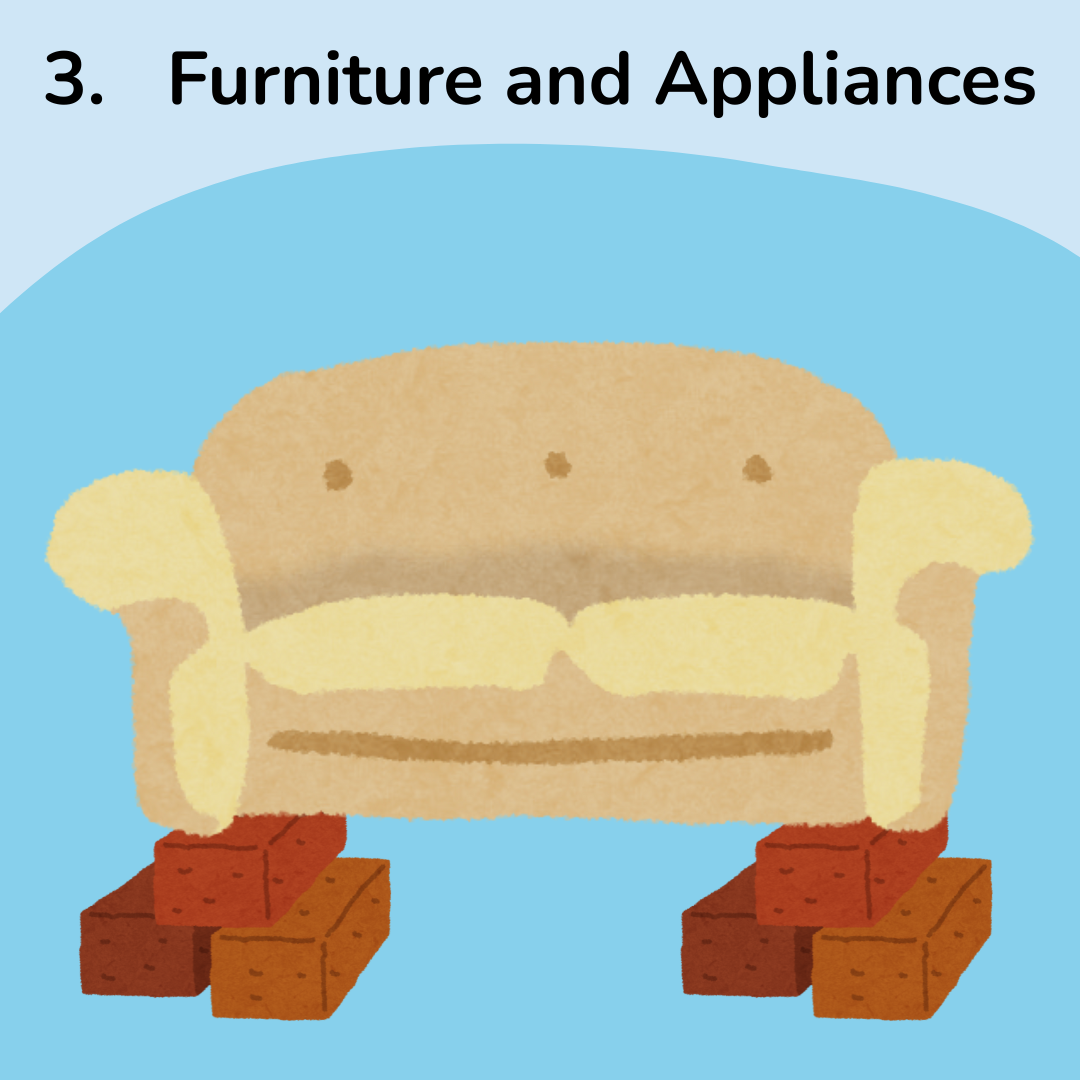
Larger pieces of furniture and household appliances are usually closer to the ground and can easily be affected by flood water.
A sofa or washing machine could be ruined by contact with dirty water – and these essential items aren’t cheap to replace.
If you have some bricks or blocks outside, or can source a few from a builder’s merchant or scrapyard, they can be used to raise pieces of furniture and keep them safe.
Wrap the bricks inside plastic bags and use them to prop up each corner of anything that needs raising. After a flood, you can then take them out of the bags and store them somewhere safe.
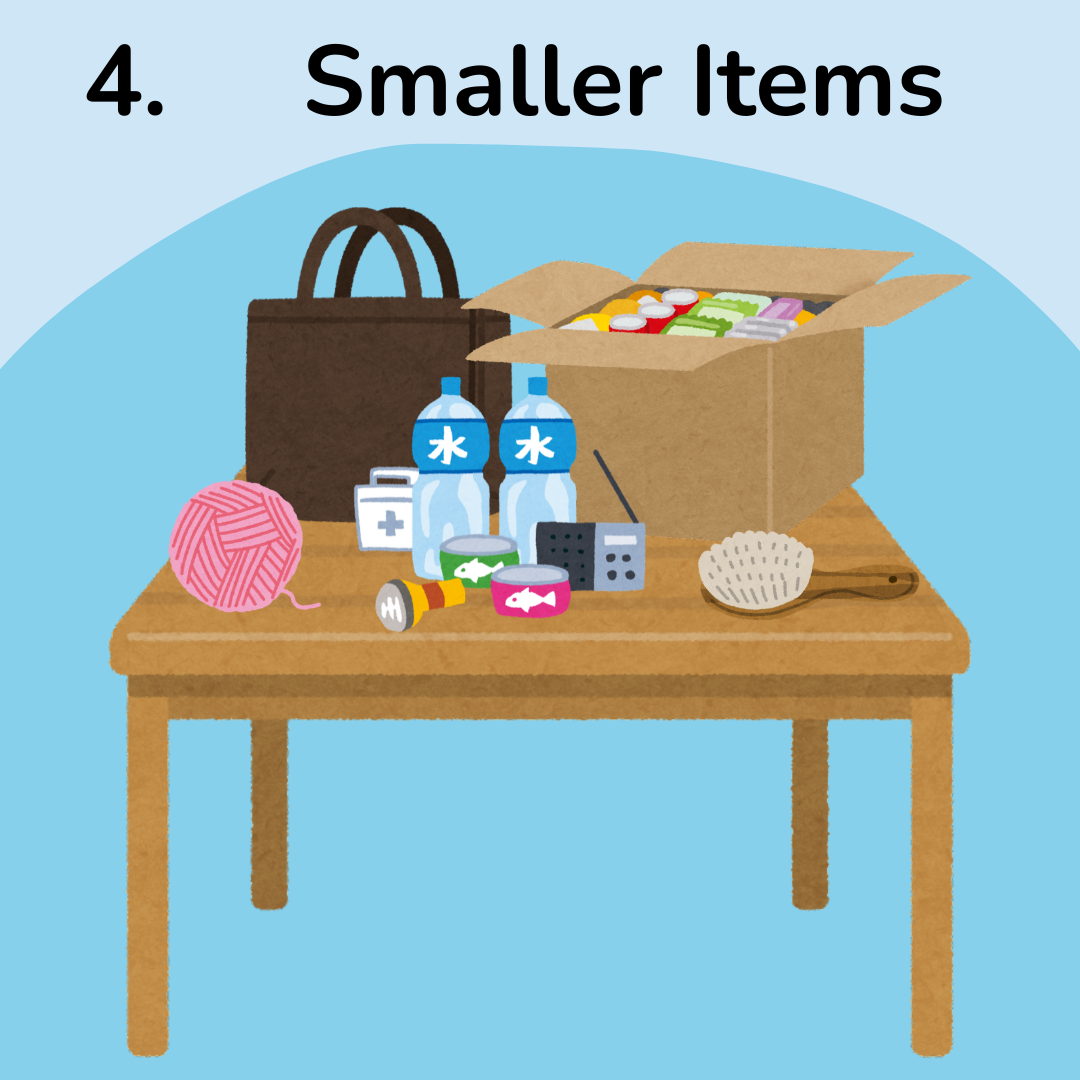
Our smallest belongings are often among our most precious – shoes, electronics, and other keepsakes that hold importance. These things can be irreplaceable and need to be kept safe in the event of a flood.
For these smaller items, and those that are on or close to the floor, storing them on top of a large piece of furniture you’ve already protected will prevent them from getting damaged.
Try and collect items into boxes or bags, to allow for more things to fit on one surface. Remember to keep items you might need, like first aid kits, bottled water, and ID/insurance documents, in easily accessible spots.
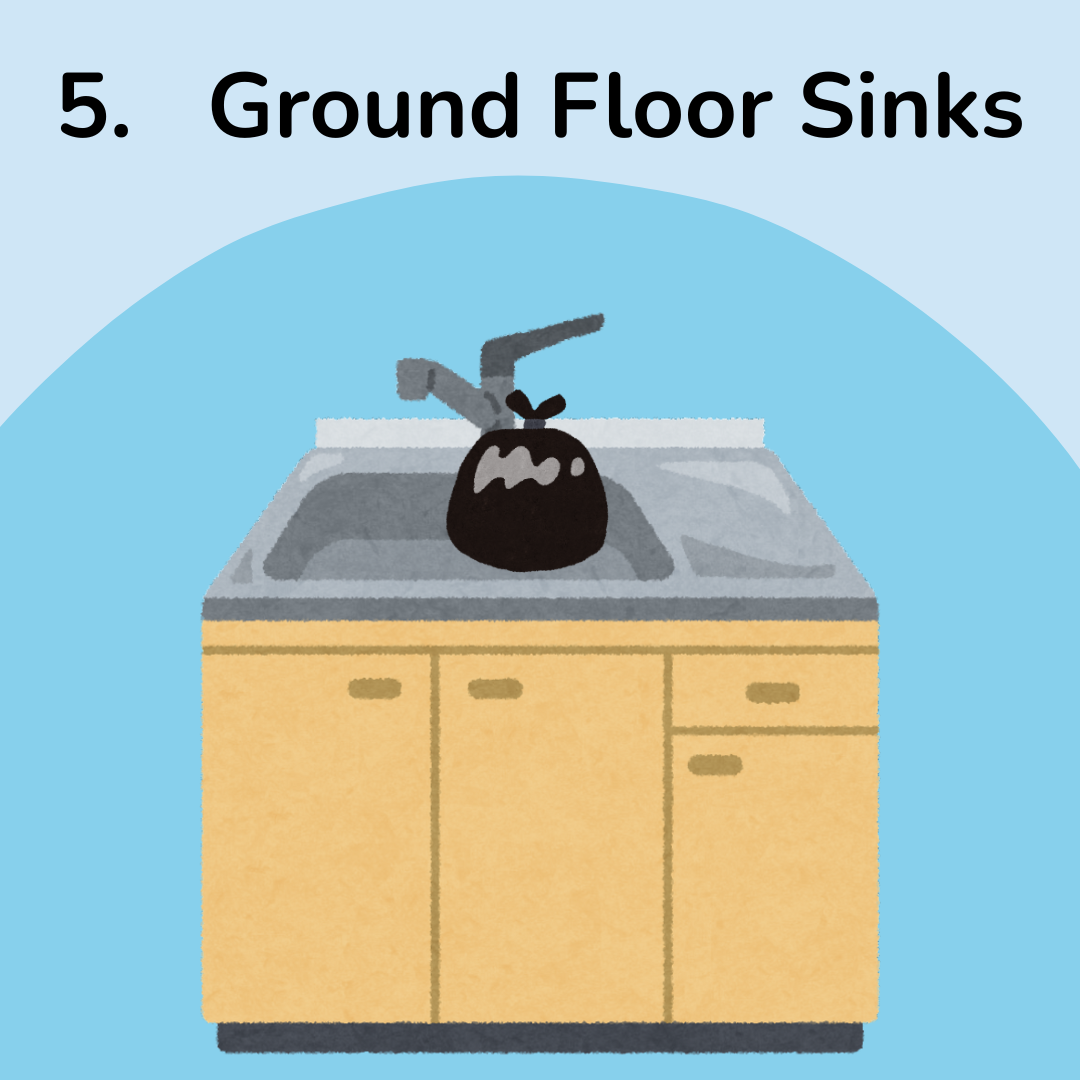
When a lot of water quickly enters the drainage system during a rain storm, there’s a high risk of waste water getting backed up and re-entering our houses.
This most often happens through plug holes in sinks and basins and toilets on the ground floor – in kitchens, utility rooms and downstairs bathrooms.
To prevent waste water from coming up through a sinks’ plughole, you can fill up a plastic bag with sand or soil from outside to create some weight, and place this on top of the plughole (with the plug in place). Tightly knot the bag so none of the filling escapes. You can use some waterproof tape to cover up the overflow.
You can do the same in ground floor toilets – fill a thick plastic bag with enough sand or soil to create a weight that is big and heavy enough to stay in place and not go down the toilet.
This should prevent a significant amount of water from backing up into your home.
Hopefully these tips will help you to protect your home and belongings from flood water, and give you some peace of mind.
However, it’s important to remember that these DIY options are not a replacement for Kitemarked property flood resilience (PFR) products. If you live in a flood risk area, it’s recommended that you invest in permanent PFR measures to protect your home in the long run.
These tips have been adapted from information made available by Flood Mary – you can find her website here:
https://floodmary.com/help-and-resources/
You can find out more about permanent PFR solutions here:
https://bluepages.org.uk/
More
News

We operators can do so much more than generate trips
Learn how there is more to bike share scheme success than ridership data.

Plymouth mobility hub earns gold standard from UK’s shared transport charity
A Plymouth mobility hub, which makes it easier for people to travel sustainably, has earned gold standard accreditation.