


Contributor
Plymouth City Council
Date
2 May 2025
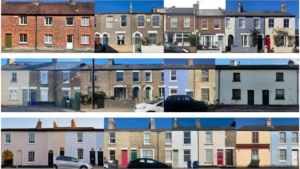
Plymouth’s Victorian homes are full of character, but they are often hard to keep warm. These homes lose heat through their floors, roofs and windows – making them colder, more expensive to run and more carbon intensive. This means higher bills, colder rooms, and more carbon emissions.
But there’s good news! it’s easier that you might think to make your home more comfortable and energy efficient.
Even small changes can make a big difference. You could:
- Top up your loft insulation – keeping more heat inside your home
- Fix leaks or blocked vents – they can cause damp and waste energy
- Seal up draughts around doors, windows and floorboards
- Use heavy curtains – especially in winter, to reduce heat loss
- Upgrade windows with double or vacuum glazing
Making just a few of these changes can reduce your homes energy use by around 40%
Thinking Bigger? Here’s what you could do next:
A deep retrofit can bring even greater rewards – cutting overall heat loss by up to 70%
Here are some great long-term improvements you can make:
- Insulate walls and floors (using breathable materials to avoid damp)
- Replace or upgrade windows and doors
- Install an air source heat pump
- Install ventilation systems (e.g. MVHR)
- Switch to energy efficient LED’s
- Install solar panels
If your home is listed or in a conservation area:
Good news! You can still make your home warmer and greener. You’ll just need a little extra care. 3 Things to know:
- You can retrofit a listed home! – some retrofit work (like insulating walls or changing windows) needs Listed Building Consent or Planning Permission. (You can use Plymouth City Councils development enquiry service for advice)
- Talk to your local conservation officer early – Your local councils Conservation Officer can guide you on what is possible
- Choose materials that work with old buildings – Breathable insulation (like wood fibre or lime plaster) helps keep historic walls healthy by letting moisture escape, while keeping heat inside
For more detailed advice you can visit the Society for the Protection of Ancient Buildings (SPAB) website: SPAB Briefings
The Historic England website also has some useful advice and information for retrofitting older buildings found here
Why it matters:
Our city’s old homes are part of our story – but they also contribute to rising energy use and carbon emissions
Retrofitting helps you:
- Save money on bills
- Stay warm and healthy
- Cut carbon and support climate action
Retrofitting a Victorian terraced house is not just possible – it’s a brilliant opportunity to futureproof your home. Every step counts – whether big or small.
It’s time to make our historic homes part of a sustainable future.
Grants and Support:
Making your home warmer and greener doesn’t have to mean covering all the costs yourself
- Boiler Upgrade scheme – up to £7,500 to help install an air source or ground source heat pump (find out more)
- ECO4 and GBIS: Free or discounted energy efficiency measures to low-income households (find out more)
- Warm Homes Local Grant (coming soon): Support for home energy efficiency improvements helping to reduce heating costs
Find out what you are eligible for:
Use the Plymouth Energy Community – Eligibility tool
Phone: 01752 477990
Email: futurefit@plymouthenergycommunity.com
More
Stories

Plymouth Hospitals strive for a greener future
University Hospitals Plymouth NHS Trust shares its sustainability journey. Read on for sustainable healthcare inspiration

Short Trips, Big Savings: Rethinking Car Travel in Plymouth
How small changes to local journeys can save money and improve quality of life.