


Over the last 10 years, the Littlejohn's have made changes to their home in St Levan, improving their energy rating.
Name of project
Plymouth Climate Pioneers: From Grade D to Grade A
Project by
Building Resilience in Communities (BRIC)
Partners
Andrew and Deborah Littlejohn
Date
19 August 2025
Status
Completed
Project
Description
Motivated by a desire to save money, and a growing awareness of climate change, the Littlejohns have transformed their property into an eco-friendly haven.
Their journey began in 2014, with a house that hadn’t changed much since being built in the 1930s. There was a basic level of insulation in the loft, double-glazed windows, and not much else. The pair felt that with some work they could improve their living conditions – and they were right.
Phase 1
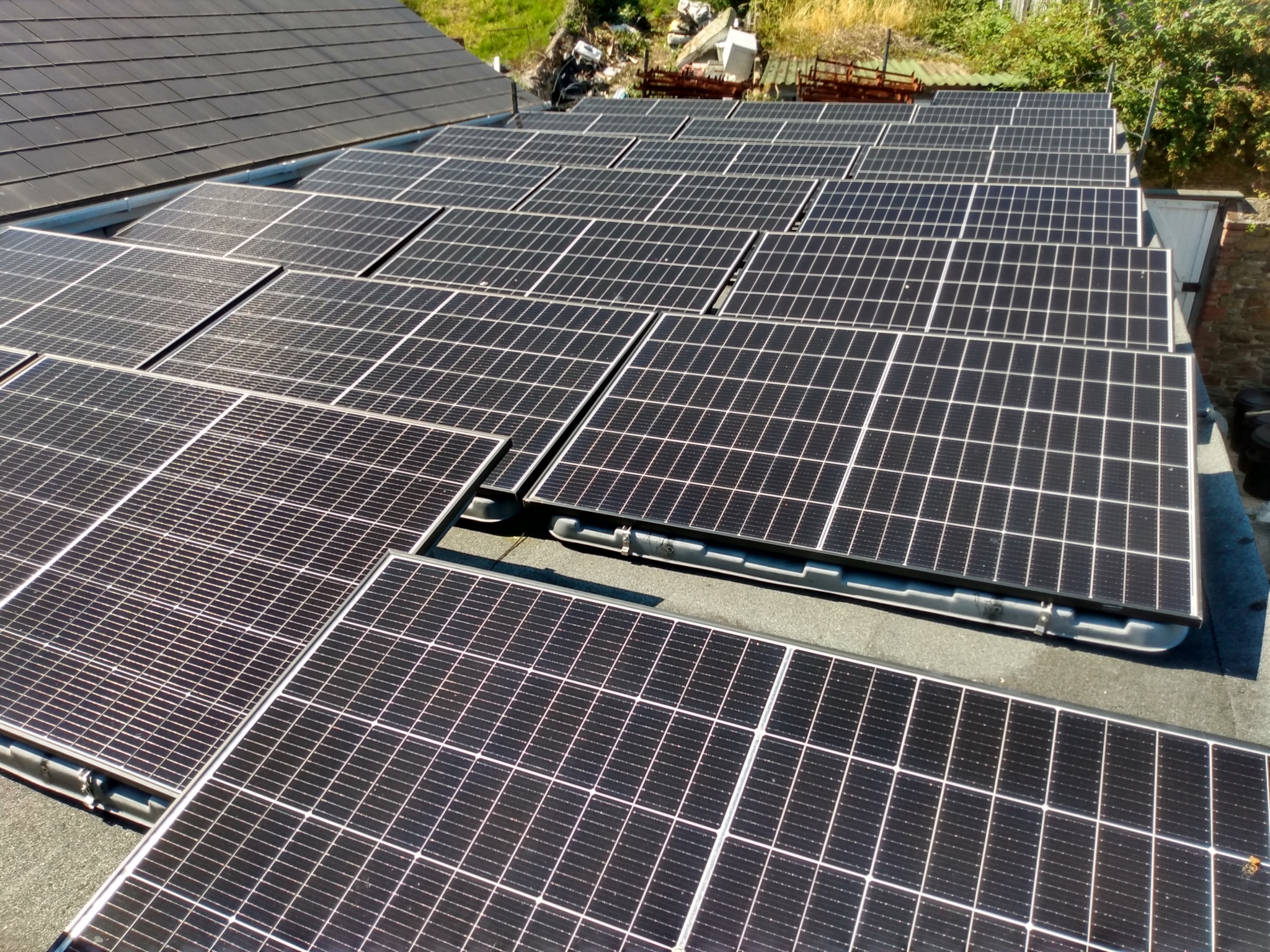
The first thing installed were 4kWh solar panels on the garage roof. This was chosen as a starting point for several reasons. Andrew and Deborah felt the installation would be the least disruptive to family life, and have the largest financial impact given the government’s Feed-in Tariff incentives. With electricity bills rising, it was a short-term investment for a long-term gain.
Phase 2
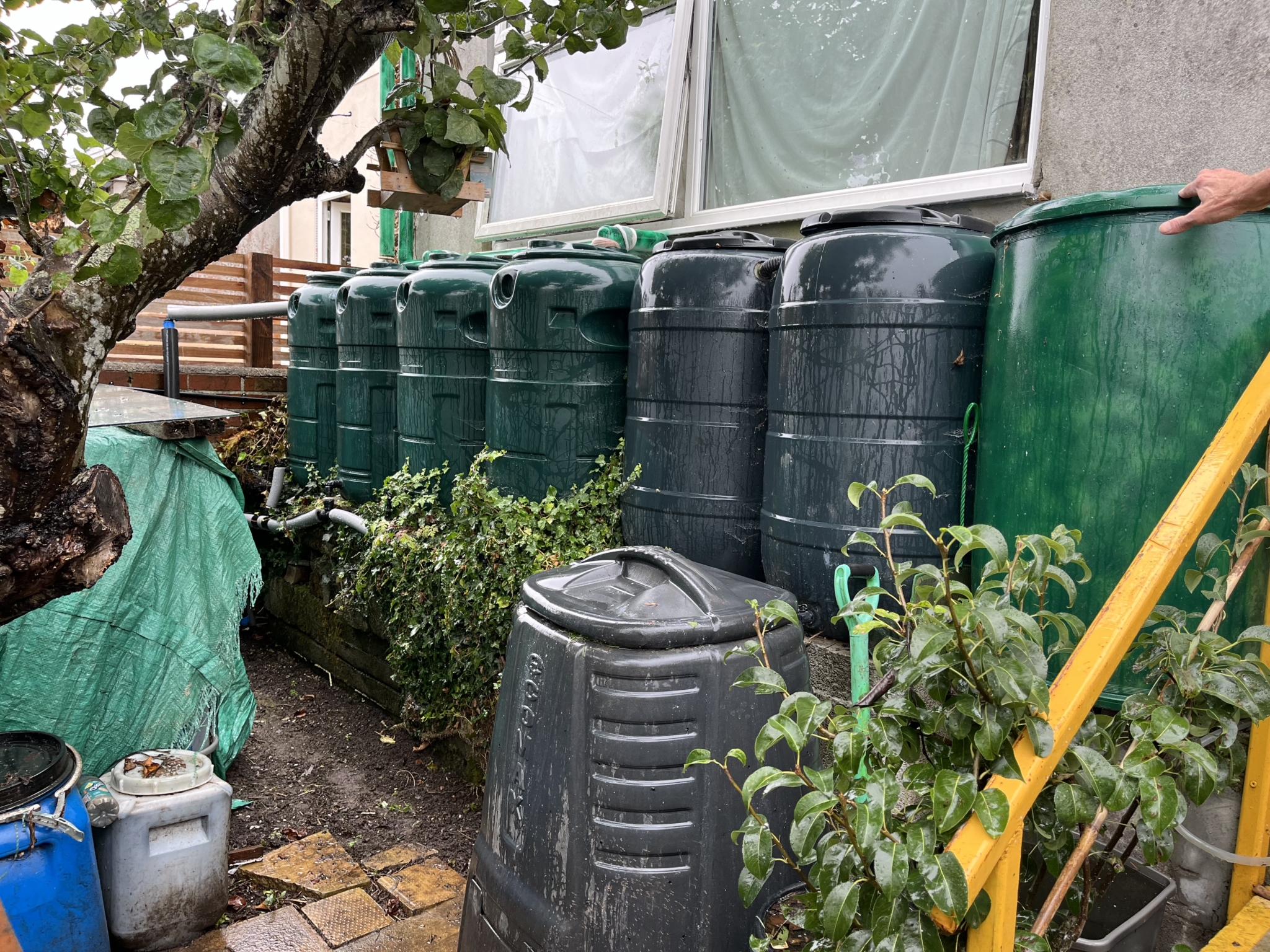
In 2015, after some research, they came across the option of using stored rainwater to flush toilets through a gravity fed system. Seven water butts, each with a 210litre capacity, were installed to collect and store water for the system, and then connected to the toilets within the house.
The system has been a great success and continues to work well to this day.
Phase 3
Andrew began looking into other ways to improve their home’s energy efficiency in 2021. The first thing he came across was loft insulation, of which there was 100mm installed – the government’s recommended amount is 200mm. Andrew contacted Plymouth Energy Community (plymouthenergycommunity.com), and they helped him get a grant for the insulation work through Plymouth City Council.
Phase 4
Later in 2021, two factors motivated the Littlejohns to improve their solar power system. The family’s situation was changing – they were now on a fixed income, making saving money even more important, and the media surrounding the 2021 United Nations Climate Change Conference (COP26) highlighted the impact human activity has on our environment. They already knew they could reduce their dependence on the National Grid through using solar, so they explored ways of optimising this with both their service provider and solar panel company.
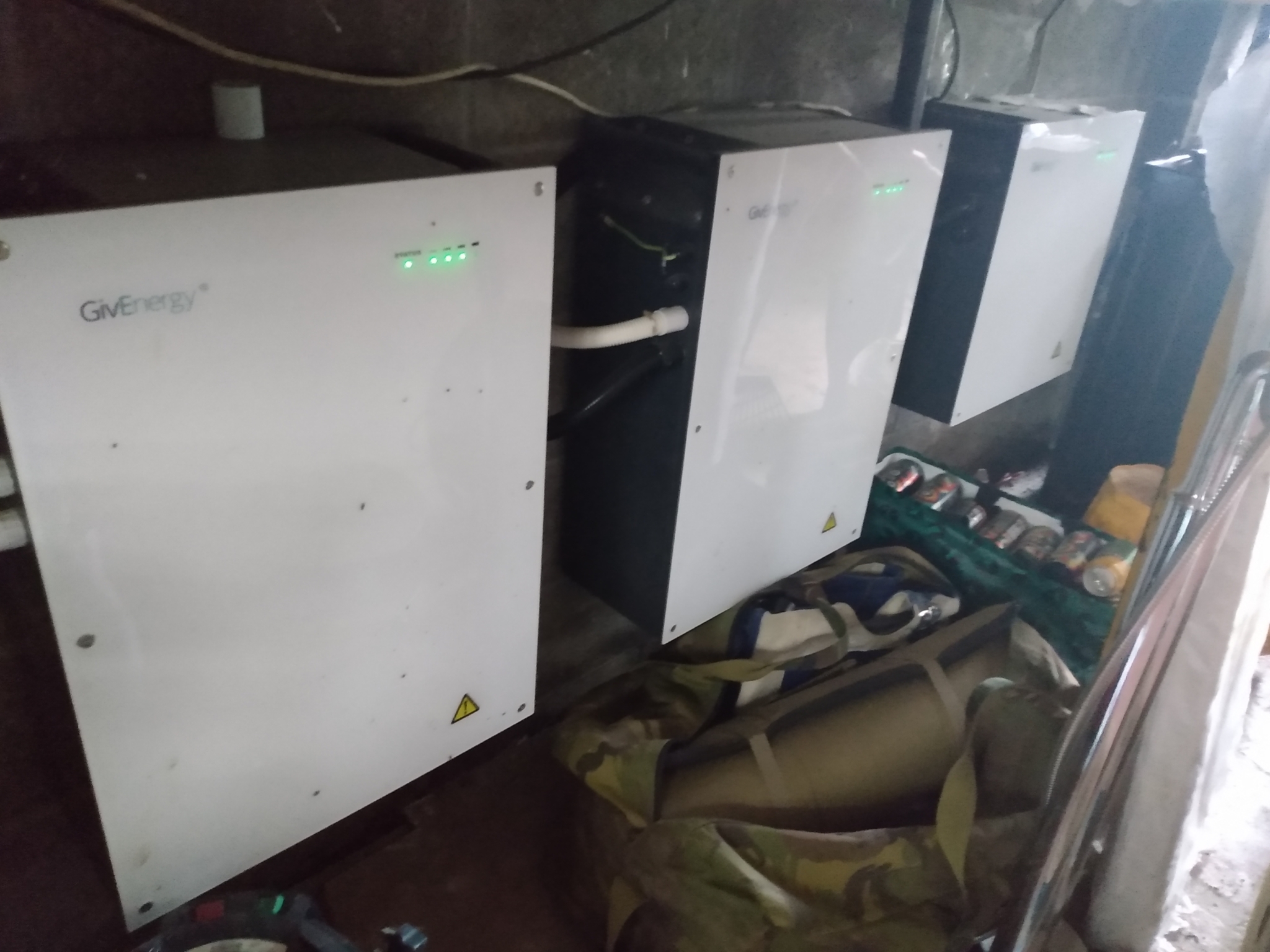
Their solar panels were increased from 4kWh to 9.7kWh, and three solar storage batteries were installed (two 8kW and one 5kW), allowing energy to be stored and used overnight or when the panels are not generating. They also bought an electric car around this time, which is charged from the solar batteries.
Phase 5
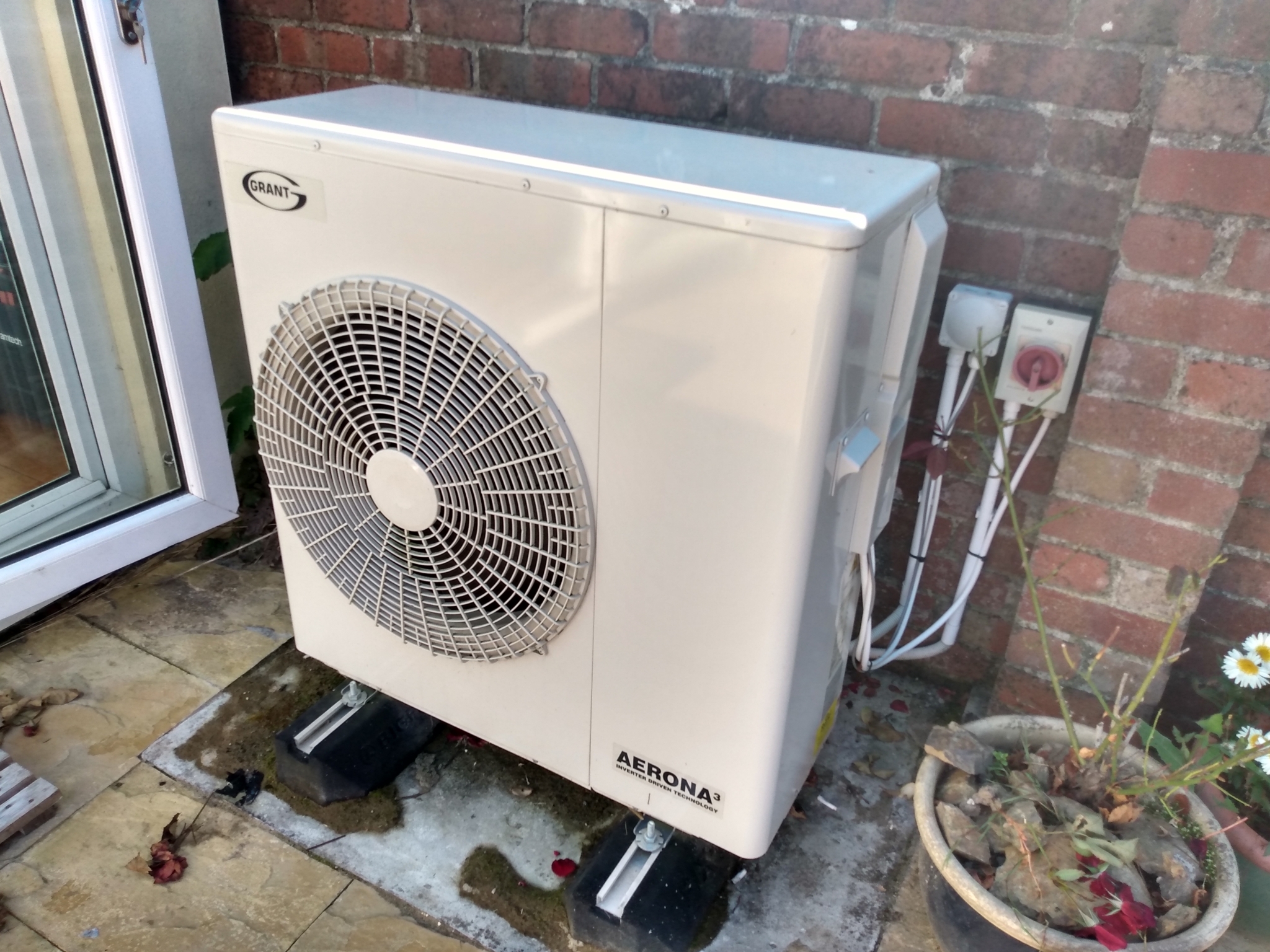
The next phase of the project began in 2022. Having researched more ways they could save energy, the couple came across the option of replacing their gas boiler with an air source heat pump. This was supported by another government incentive scheme. This turned out to be the most disruptive phase of the project so far, with workers in the house for around 10 days. However, it has proven to be a worthwhile addition. The heat pump is only switched on between 3am and 4am, uses about 2kW of energy, and provides the family with all the hot water they need for the day – costing about 14 pence.
Phase 6
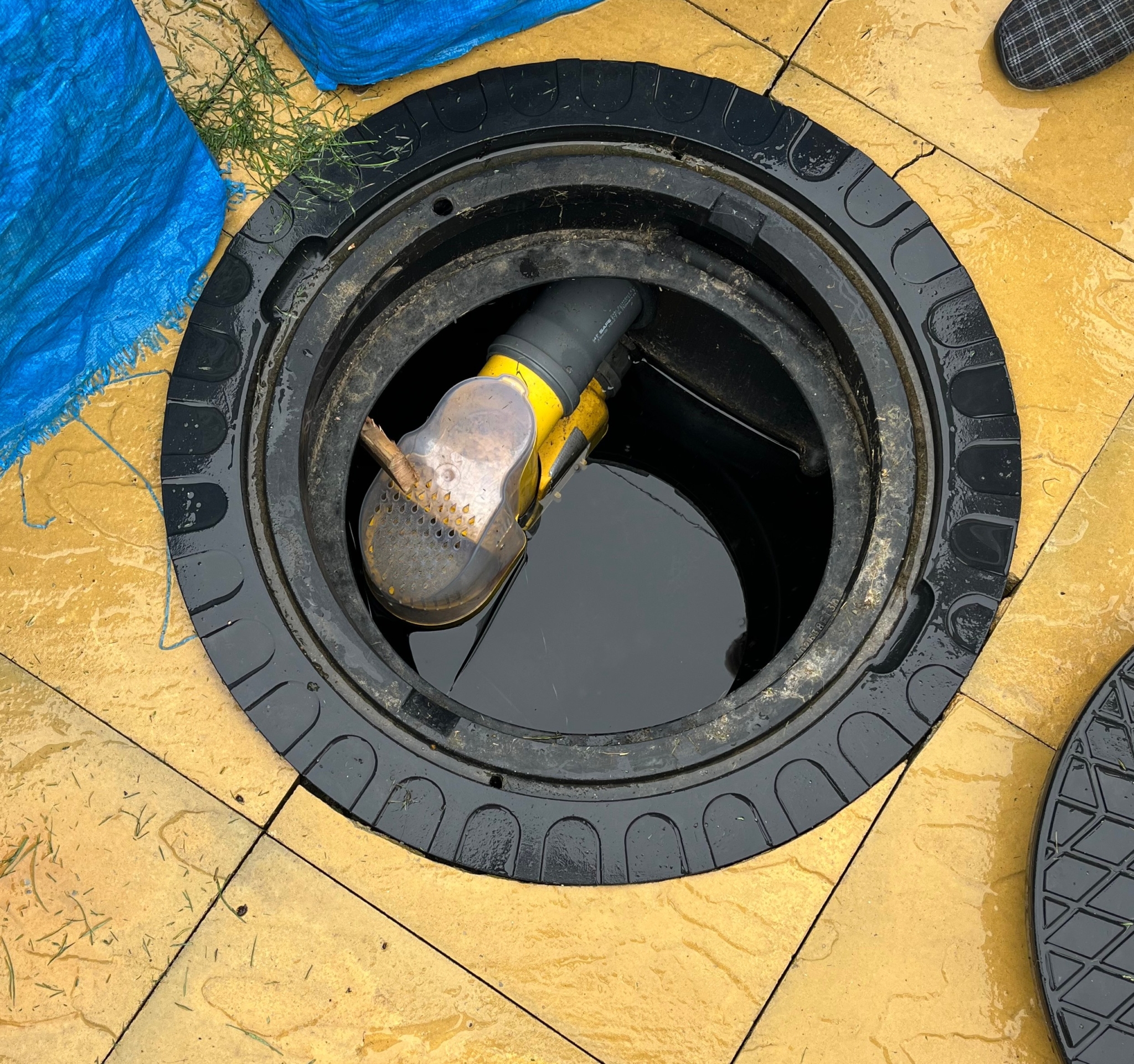
In 2023, after reviewing their water collection and storage setup, they decided to install a professional rainwater harvesting system. This was an upgrade to the existing water butts, with a 3,000-litre tank receiving water from three separate rooftops. When connected to the existing water butts from Phase 2, there is now a total of 6500 litres of storage. The extra capacity has allowed the stored water to not only supply all the toilets in the home, but also the washing machine. This has, of course, significantly reduced the family’s mains water use – they can even check their water use via an app connected to the system. By installing this system, they have also lessened the risk of suddenly overloading the main drainage and sewer system, lowering the chance of both local flooding and sewage discharge into open water.
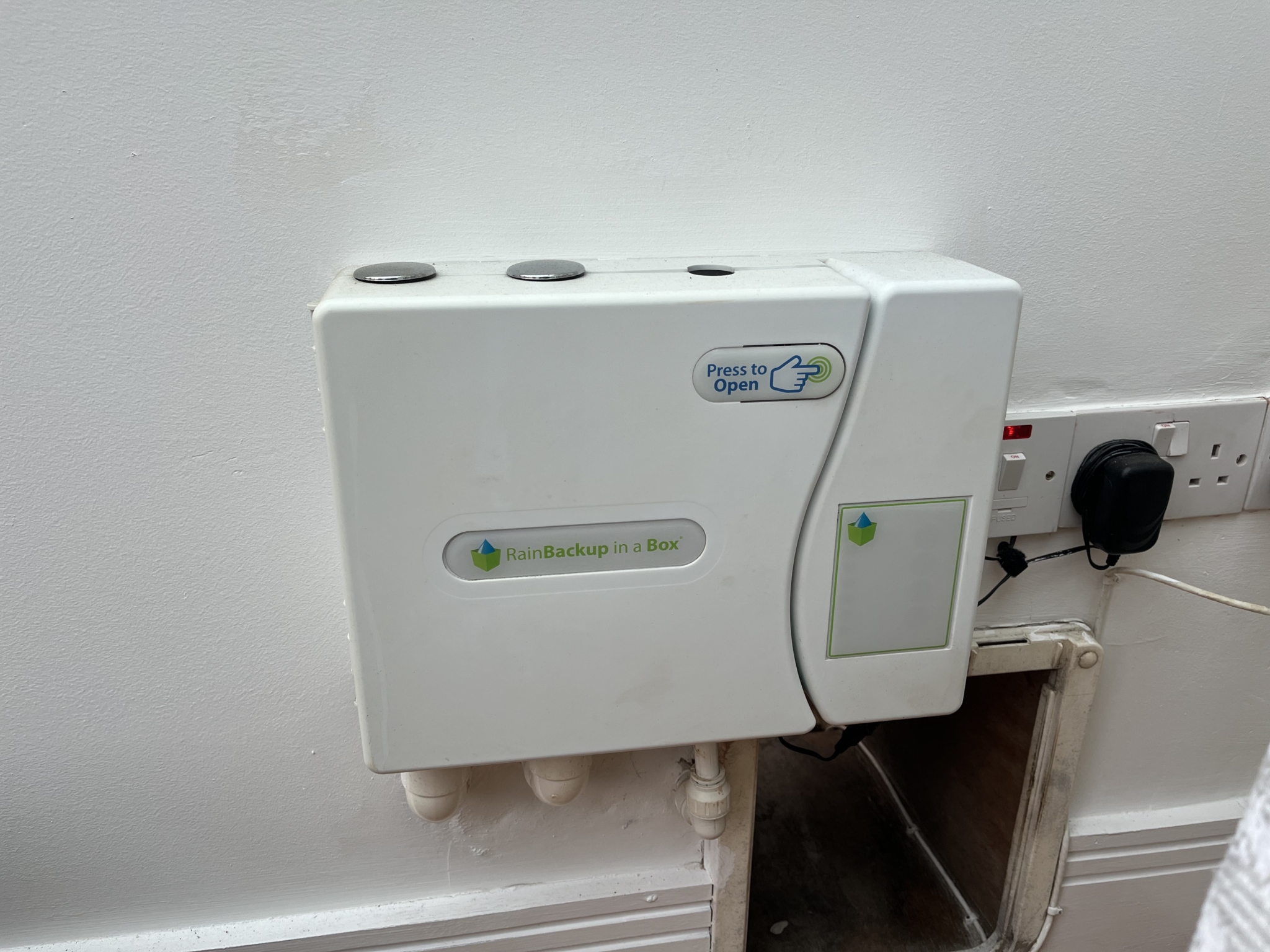
The system is connected to a primary control box, which fills up the tank if the stored rainwater supply runs out. The whole thing has been inspected by South West Water, who are very happy with this incredible adaptation.
Phase 7
Having gained an idea of heat conservation throughout Phase 5, the Littlejohns moved onto the final phase of the project (for now) – underfloor insulation. Their energy supplier, Octopus, loaned them a heat loss camera to identify where the house was losing heat, free of charge. After finding the problem areas, they insulated around the underfloor pipes and in between the floor joists with 100mm thermal insulated boards. This has minimised heat loss within the fabric of the building as much as possible.
Making these adaptations over the last decade has changed the lives of Andrew, Deborah and their family – and things have changed for their neighbours, too. Throughout the project, the couple have received mixed reactions to their work. One neighbour had concerns about the solar panels installed in Phase 1 ‘ruining their eyeline’, which Andrew said he simply ignored – some people will be upset no matter what you do. Further along in the project, other neighbours have shown a completely different attitude, asking to use the water collected in the Littlejohn’s
harvesting system to help with part of building works – eliminating the need to use mains water. It’s inspiring to see how adaptations like these can encourage collaboration and changes for others, not just those who made them.

Through ups and downs and changes in behaviour, Andrew and Deborah have stuck to their vision and achieved something truly astounding. Having embarked on this journey to save money and reduce their impact on the planet, it would be hard to argue that their goals have not been achieved. For instance – in 2022, before installing the full rainwater harvesting system, the Littlejohns used 37 cubic meters of water. In 2024, they have used just 18 cubic meters. And last month – their electricity provider paid them. All electricity for the house, and charging the electric car for the month, was free.
If you’ve made any adaptations to your home or the way you live that also help our planet, we would love to hear from you. It’s great finding out about how people in Plymouth help the climate, whether it’s through projects like this one, or something completely different. If you’d like to let us know about something you’ve done or are doing, drop us an email at BRICTeam@plymouth.gov.uk and let’s chat.
This case study was originally published in the Building Resilience in Communities Autumn 2024 newsletter.
More
Projects

Free business support
Providing free support for Plymouth-based businesses to adopt more environmentally conscious processes and move towards becoming net zero.

Taking our van fleet electric
In the middle of 2022, IT support provider Acronyms replaced two of their diesel vans with electric vehicles and are now seeing the financial benefits.