


Date
11 May 2026

Samworth Brothers’ Cornwall Bakery is one of the South West’s most significant food manufacturers, producing at scale while adapting to an industry undergoing rapid transition. Rising energy costs, climate pressures and shifting customer expectations are reshaping how food is made, and the team behind Cornwall Bakery is working hard to stay ahead of that curve.
To understand how a modern food producer approaches sustainability, Climate Connections spoke with Paul Large, Senior Site Director, and Kevin Jenkins, Category Sustainability & Environment Manager.
Their insights reveal both the challenges of decarbonising a heat-dependent operation and the practical steps that are already delivering measurable results.
At a glance
Cornwall Bakery is transforming how a modern food manufacturing site can cut carbon and boost resilience through a series of practical, measurable interventions.
Key actions include:
- optimising energy use while increasing production
- modernising steam and cleaning systems to reduce gas and water consumption
- upgrading refrigeration to phase out F-gases
- redesigning processes to reduce food waste and manual handling
The site has strengthened wastewater treatment to cut transport emissions, redistributed unavoidable surplus food to charities and investing in next-generation digital controls and future-ready production lines.
Together, these interventions show how cumulative, data-driven improvements, from small adjustments to big-budget upgrades, can significantly reduce environmental impact and build long-term sustainability into a food manufacturing business.
A leadership culture shaped by responsibility
Sustainability has long been part of Samworth Brothers’ leadership approach. The business is guided by a commitment to ‘doing good things with great food’, a principle that extends across environmental responsibility, employee wellbeing and the relationships the company builds with suppliers and customers. This commitment fuels major long-term goals, including a 42% reduction target in Scope 1 and 2 emissions by 2030, one of the most ambitious targets in the UK baking sector.
Paul said, “It’s not only about commercial decisions, but also about ensuring we’re doing the right thing for the planet, for the people we employ, for our customers and for the suppliers we work with. When sustainability is championed at the top, it naturally filters throughout the entire organisation and influences every decision.”
It’s not only about commercial decisions, but also about ensuring we’re doing the right thing for the planet.
A focus on energy and emissions
Energy management is one of Cornwall Bakery’s most pressing priorities. Baking relies heavily on heat, which makes the shift toward lower-carbon operations a complex challenge.
Paul explains, “We’re investing in the right expertise, internal teams and long-term strategies to get there. We’re managing a portfolio of environmental projects across the site, from water reduction to waste prevention and improved refrigeration systems. The site already generates around 75% of its electricity on-site using a combined heat and power system, providing a strong foundation for future energy innovation.”

Progress through thoughtful interventions
A series of small, but well-targeted upgrades have delivered significant gains. Modernised steam control valves have reduced gas use while industrial steam cleaning has cut water demand during hygiene processes. Steam cleaning alone is expected to save around 18 cubic metres of water every week, a substantial reduction in a hygiene-critical environment.
Kevin said, “Refrigeration upgrades are replacing F-gases with cleaner alternatives, and by improving wastewater processing we’re able to reduce off-site transport and those associated emissions.
We’ve learned that meaningful progress doesn’t always come from significant costly changes, it’s often the cumulative effect of many small, thoughtful interventions.”
In the past year alone, the business donated 800,000 meals to charities, ensuring food reached people, not bins.
Reducing food waste at every stage
Food waste is a persistent challenge across the industry, and a major priority for Samworth Brothers. Paul said, “We have a target to significantly reduce waste intensity by 50% across operations, supported by equipment upgrades that help prevent product changeover losses, historically a major cause of industry-wide waste.”
Where surplus food remains unavoidable, established charity partnerships such as Fare Share ensure it is redistributed where needed. Kevin added, “In the past year alone, the business donated 800,000 meals to charities, ensuring food reached people, not bins.”

Preparing for the next generation of food production
Looking ahead, Cornwall Bakery is planning the production lines of the future. Digital systems, automated controls and new technologies will help reduce energy variation, improve consistency and lower carbon impacts over time.
One of the largest upgrades is ‘Project Frosty’: a multi-million, multi-year refrigeration overhaul that will eliminate F-gas refrigerants. Once complete, it will remove an estimated 30% of CO2e from the site’s footprint immediately.
A new production line designed for future growth is expected to significantly reduce the need for manual handling through improved capability of the new equipment while improving energy efficiency, reducing conveyance and integrating modernised cooling systems.
Paul said, “A future-ready food business is one that can manage its energy use more independently, reduce waste at every stage and operate with reliability, despite external pressures, whether those are climate-related, economic or supply-chain based.”
Collaboration is essential. No single organisation can solve these challenges alone.
Collaboration as a constant driver
Partnerships play a central role in the bakery’s progress. The team works with regulators, academic experts and technology developers to explore emerging solutions, such as the next generation of oven technology and low-carbon heat.
Kevin said “Collaboration is essential. No single organisation can solve these challenges alone, so we see collaboration as a core part of the transition.”

Benefits for the business and the region
Cornwall Bakery’s sustainability work has attracted interest from customers and partners keen to understand how these initiatives deliver real-world results. Samworth Cornwall is one of the largest privately run businesses in Cornwall, with around 1,000 employees at its site in Callington, and the bakery’s sustainability strategy contributes directly to regional economic stability and workforce confidence.
Recent transport efficiencies further support wider sustainability goals. For example, moving to a new wastewater centrifuge technology will remove around 100 tonnes of CO2e a year by significantly reducing waste-transport miles.
Paul reflects, “We’ve gained improved operational capabilities, reduced environmental impact and built a more resilient business, all of which have helped create long-term stability for our workforce and our supply chain.”
Do something, measure it, improve it and keep going. Momentum is everything.
A practical message for other manufacturers
For other food manufacturers looking to make progress, Paul and Kevin offer clear advice: start somewhere.
Paul says, “Sustainability can feel overwhelming, but waiting for the ‘perfect’ solution only delays progress. Look at what you can improve today with the equipment you already have. Measure what matters, because you can’t improve what you’re not tracking.”
“Also, celebrate the wins. It helps build momentum and keeps teams motivated on long-term goals. Don’t underestimate the power of small steps.”
Whether it’s a new steam valve or a multi-million-pound transformation project, each shift contributes to significant cumulative impact.
They emphasise, “Do something, measure it, improve it and keep going. Momentum is everything.”
The message for industry peers is clear: early action, continuous improvement and data-backed decision-making makes for the strongest foundation for a future-ready food business.
More
Stories
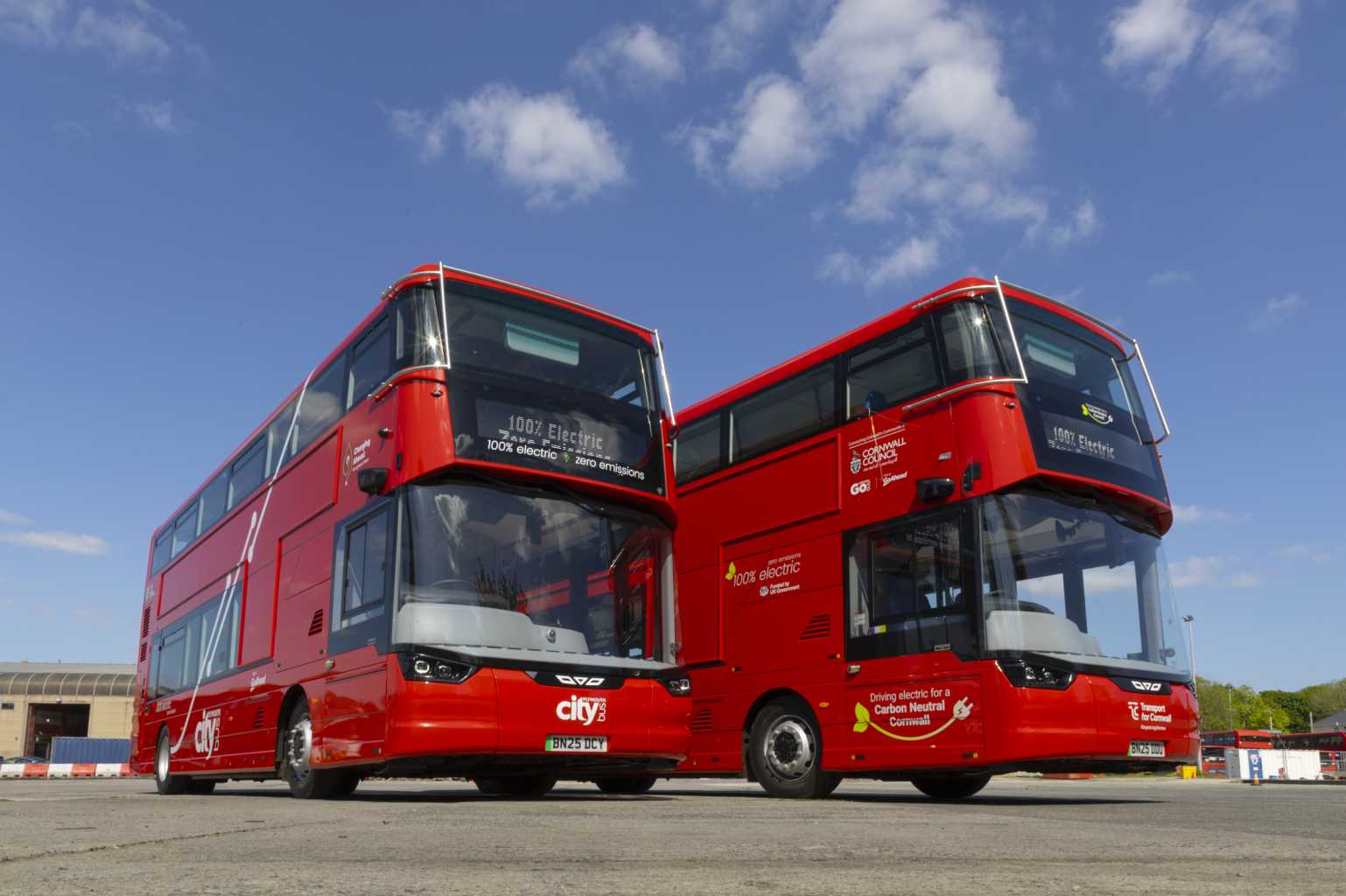
Driving Change: What Plymouth Citybus Learned from Going Electric
Practical tips from Plymouth Citybus on upgrading fleets and charging infrastructure.

Punchy poems that make a point
Climate Ambassador, Alan Ramage, invites you to embrace the power of haikus for positive climate action!