


Contributor
Climate Connections
Date
21 April 2026
Practical tips and advice from Go South West’s Engineering Director Mark Horide on upgrading Plymouth Citybus’ fleets and charging infrastructure and how these insights could support your own organisation’s sustainability plans.
1. Secure power supply first – before anything else
“First off, make sure you can even get the power. I can’t say that enough. We were fortunate because we’ve got a large substation at the back of us, but you can’t just tap into it, it doesn’t work that way.”
2. Plan before funding becomes available
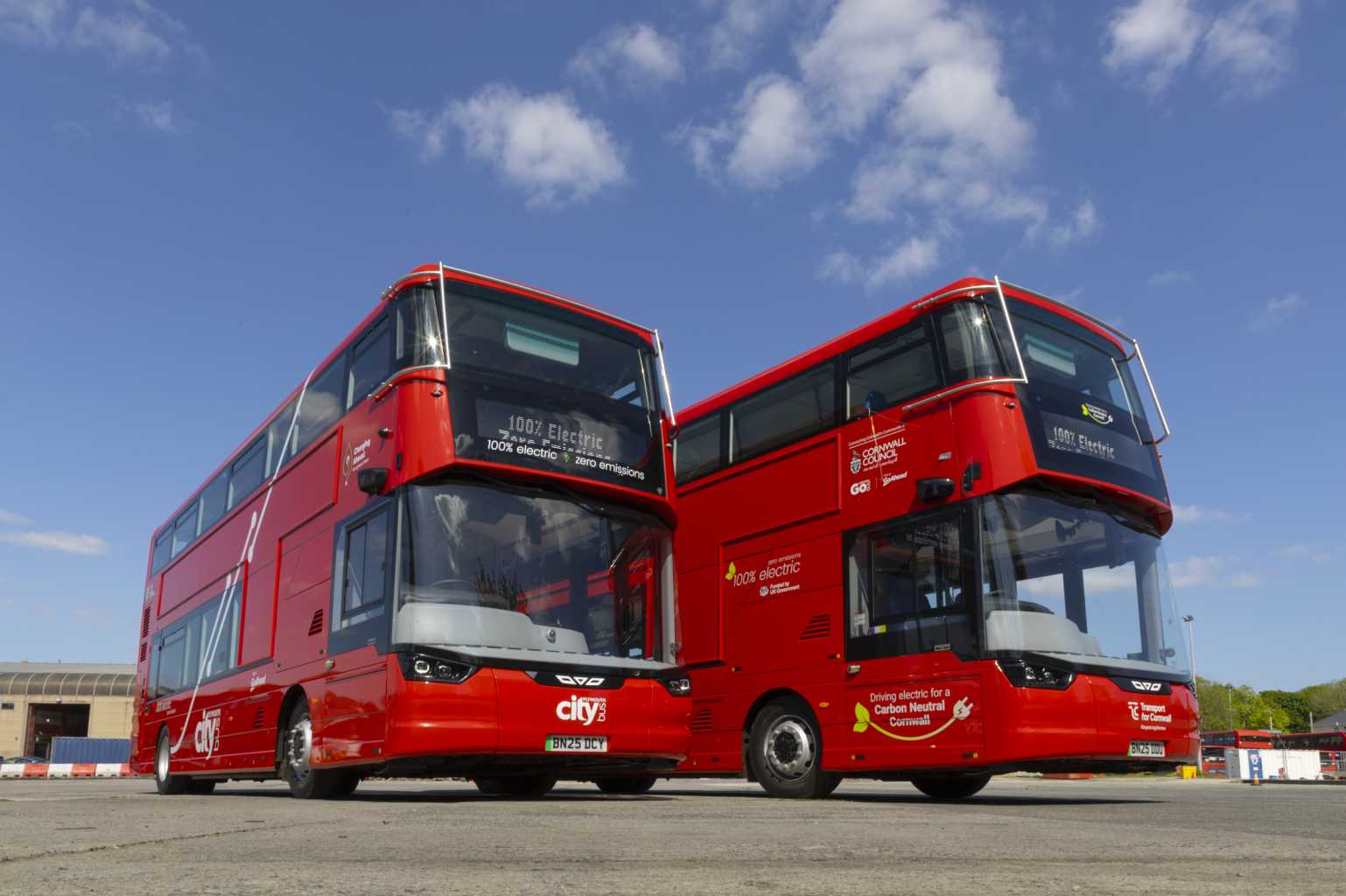
“Get advice and start planning, even before there’s a scheme to apply for. Get all the quotes, ask people the questions you think you’ll need answers from to get all that in place before you decide whether to do it. When you do decide to do it, you’re going to spend a lot of money, and you want to put it into use at the earliest opportunity.”
 CREDIT
3. Build or access institutional knowledge
The knowledge-retention team proved invaluable information: “When the opportunity arose, we already had the foundations in place – the knowledge, the team, the capability to advise. That made the transition feel possible and achievable quickly.”
4. Expect utility company delays and plan accordingly
“Utility companies and their processes can be very slow, so expect delays and plan accordingly.” Mark’s advice: be prepared to suggest alternative solutions and build substantial contingency time.
5. Future-proof infrastructure from day one
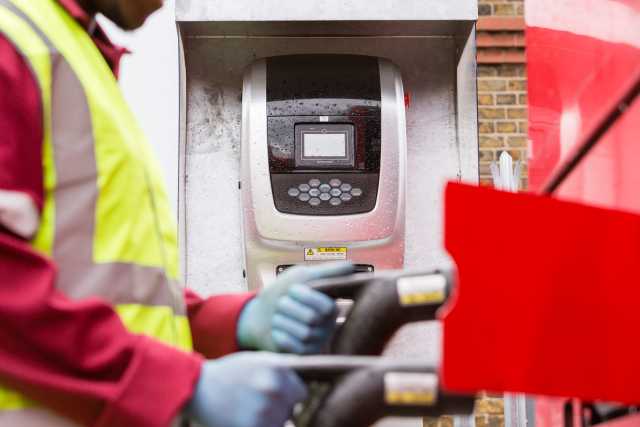
“Put in more than you think you’re going to need. Really, what you’re looking for is cable routing – trunking to put more cables in if you need them. That’s the cheap bit.”
We haven't changed the routes, we haven't changed the drivers' duties, we haven't changed the service to passengers. We're making the technology work within the parameters.
6. Look beyond vehicle procurement
“It wasn’t just about the bus – we talked training, longevity, long-term support and the company’s own green credentials and commitments.”
7. Prioritise workforce security
Address concerns about job security immediately and honestly. Plymouth’s approach of upskilling rather than replacing staff removed resistance and maintained morale.
 CREDIT
8. Make technology work within existing parameters
“We haven’t changed the routes, we haven’t changed the drivers’ duties, we haven’t changed the service to passengers. We’re making the technology work within the parameters.” This approach minimised operational disruption.
9. Target appropriate routes
“Electric lends itself more to city-based operation than rural by a long shot.” Plymouth focused on high-capacity urban routes where electric technology performs optimally.
10. Engage stakeholders proactively
Plymouth engaged the fire brigade, local authorities, unions and staff throughout the process. Regular communication through notice boards ensured transparency.
More
Stories

Get out, feel good and enjoy Plymouth’s green spaces
Check out our favourite trails to explore around the city.

Useful guidance when looking to purchase an Electric Vehicle
From costs, vehicle models, battery range and where to charge, this guide will take you through things you might want to consider before buying an EV.