


Contributor
Climate Connections
Date
5 September 2026
The food we eat everyday connects to something bigger. It impacts our health, local communities and the environment around us. Small, everyday choices can make a positive difference without needing to overhaul everything.
Follow the seasons
Seasonal produce is often fresher, more affordable and lower in environmental impact. But if you’re buying local produce, it’s important to make sure it’s in season. For example, tomatoes grown out of season in the UK have a much higher carbon footprint than buying them from Spain, as tomatoes need extra heat and resources to grow in our colder climate. Seasonal food tends to taste better and last longer, making it easier to use everything you buy from the supermarket.
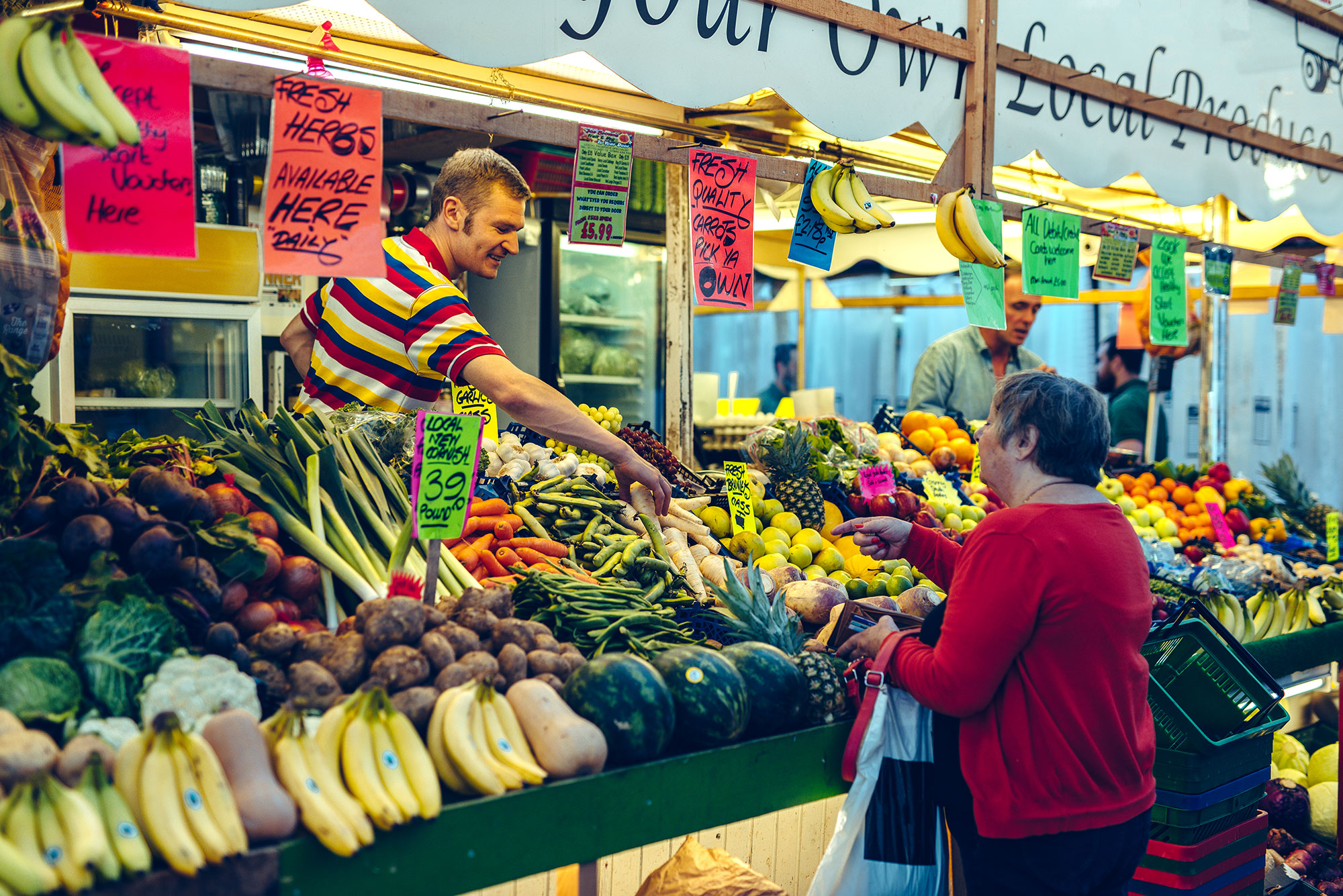
Shop locally where you can
Local markets and producers can offer shorter supply chains, less packaging and a chance to support local business, putting money back into the local economy. Even occasional swaps, like buying your fruit and veg locally, can make a difference.
 CREDIT
Make the most of your cupboards
Simple ingredients such as beans, grains, pasta and tinned vegetables can stretch meals further, reduce food waste, save money and help build balanced meals. They also make it easier to create quick and tasty dinners without extra trips to the shop, saving on emissions through transport too.
Build meals around what lasts
Choosing ingredients with a longer shelf life can help reduce waste. Choosing root vegetables, frozen foods and dried goods as the foundation to your meals supports healthier diets, reduces spending on food and lowers your environmental impact.
Lower your carbon calories
There is a great selection of low-carbon recipes available online from organisations such as WWF and Emission.org.uk.
Check out this banana pancake recipe that only accounts for 99g of CO2 per portion!
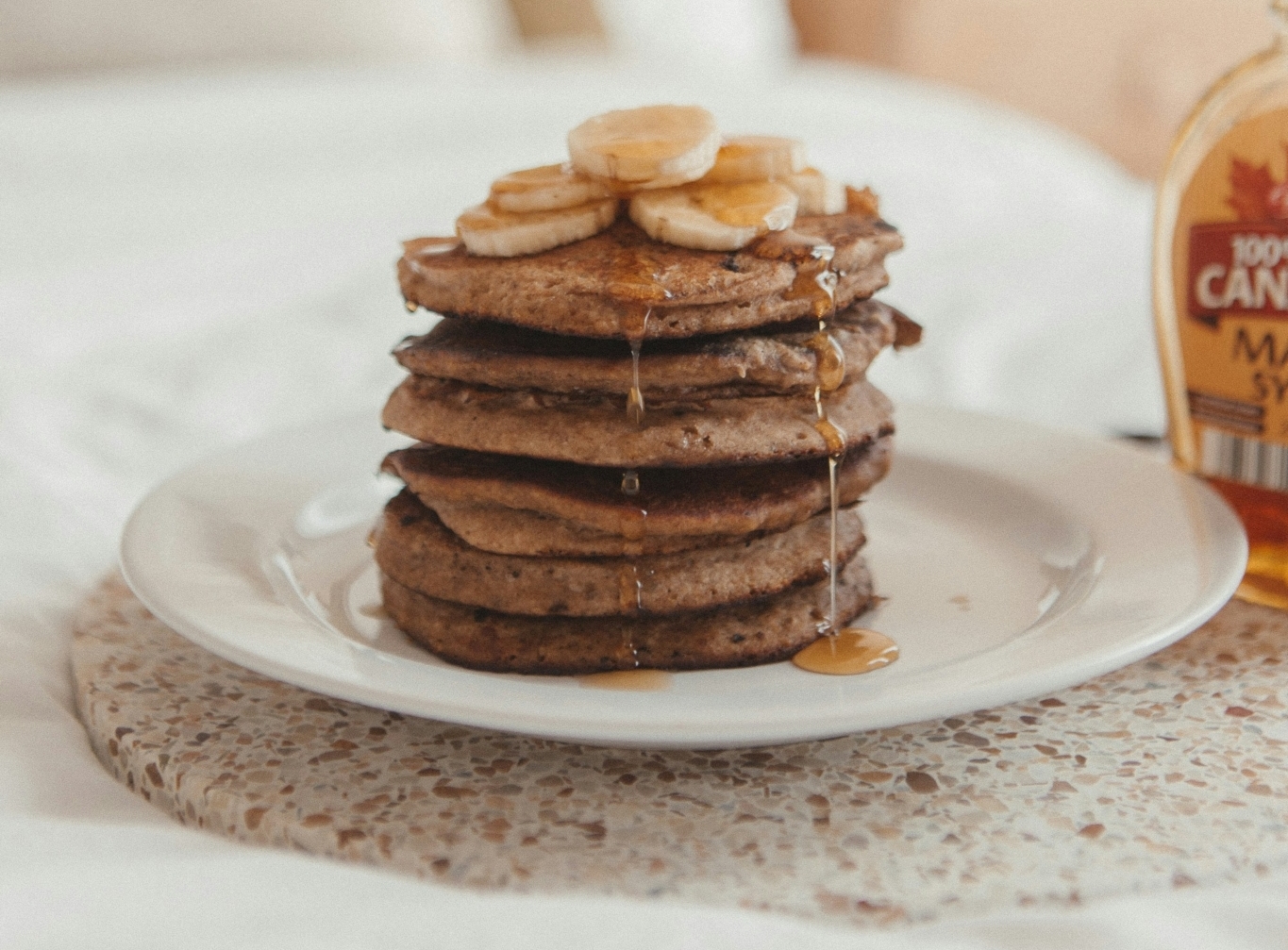
Banana pancakes
Serves 4
Difficulty: Easy
Prep time: 5 minutes
Cook time: 10 minutes
Ingredients:
1 cup/85g of oats
1 cup/235ml soya or oat milk
1 banana (3/4 mashed, ¼ sliced)
Third cup/40g of wholemeal flour
1 tbsp of coconut oil
1 tsp of cinnamon powder
Maple syrup to taste
Method:
- Add the mashed banana in a bowl and mix the oats, milk and wholemeal flower
- Heat coconut oil in a frying pan. Once it melts, pour the batter in small circles.
- Cook for 3 minutes on each side or until golden brown.
- Sprinkle cinnamon powder on top and serve with sliced bananas and maple syrup.
Find more low-carbon recipes like this and much more in our Low Carbon Recipes Book! [Link here]
Food’s carbon footprint
The table below shows the total greenhouse gas emissions linked to some of your favourite ingredients. This includes everything from how food is grown and harvested, to transport, processing, packaging and even emissions from livestock.
These figures are a guide rather than exact values, as every food supply chain is different and can vary depending on how and where the food is produced.
| Food | kg CO₂e per kg produce |
| Oat milk (UK) | 0.2 |
| Apples (local) | 0.3 |
| Potatoes and root vegetables (UK) | 0.3 |
| Onions (UK) | 0.5 |
| Lettuce (UK) | 0.6 |
| Bananas | 0.7 |
| Broccoli (UK) | 0.7 |
| Kale (UK) | 0.9 |
| Bread (UK) | 1.1 |
| Standard tomatoes (UK, in season) | 1.3 |
| Oats (Scotland) | 1.3 |
| Pasta (UK) | 1.5 |
| Tofu | 1.5 |
| Avocado (shipped) | 1.6 |
| Cow’s milk (British) | 1.9 |
| Sardines (UK caught) | 2.0 |
| Mackerel (UK caught) | 2.1 |
| Peas, lentils, chickpeas and beans | 2.1 |
| Nuts and seeds | 2.3 |
| Yoghurt (British) | 2.4 |
| Rice | 3.8 |
| Whole chicken (UK) | 3.8 |
| Quorn | 4.0 |
| Mushrooms (UK) | 4.1 |
| Scottish salmon (farmed) | 4.1 |
| Tinned tuna | 5.3 |
| Butter (British) | 9.8 |
| Cheddar (UK) | 11.8 |
| Lamb (UK) | 21.0 |
| Beef (UK) | 25.0 |
Find the full food carbon footprint list on our Resources page.
Reducing your carbon footprint isn’t about doing everything perfectly, it’s about making choices that work for you, your diet and your routine.
More
Stories

Your Carbon Handprint: What The Five Fingers Look Like In Practice
A in-depth look at the Carbon Handprint and how you can use it to enact climate action.

How green is your website? Simple ways to shrink your digital footprint
Make your website more sustainable with simple, practical steps that cut carbon, improve performance and save energy.