


Cut our emissions from food
In Short
To lower carbon emissions through diet, we need to:
- Reduce overall red meat consumption- including processed meats, opting for lean poultry (chicken, turkey) as well as sustainably sourced fish
- Transition to a more plant-rich diet, basing meals around vegetables, grains, such as wheat, rice, oats, and barley, beans, lentils and pulses.
- Cut down on food waste, opting for locally sourced produce- reducing overall food waste across households and businesses, and aiming to buy seasonal, local and sustainably produced food.
The Full
Story
The greenhouse gas emissions reported for Plymouth mainly measure emissions produced with the city, such as those from transport, buildings, energy use and waste collection.
However, many of the emissions linked to everyday life happen outside Plymouth. This includes the emissions generated when food is grown, processed, packaged and transported before it reaches our shops and homes. These are known as ‘consumption emissions’, because they are linked to the things we buy and use.
So while food may not appear as a major emissions category in the city’s official carbon footprint, the choices we make about what we buy, eat and throw away still has an impact on lowering emissions.
Across the world, the food system is responsible for around a quarter of greenhouse gas emissions. This includes everything from farming and food production to transport and packaging, and as we reduce emissions in other areas, the impact of the food we eat will become increasingly important.
Currently it’s difficult to understand exactly how much food is wasted across Plymouth, as there is limited data available. Work is underway to better understand and reduce food waste through a range of initiatives including turning food waste into products such as fertiliser.
High impact foods, such as red meat and dairy products, produce many times the amount of emissions when compared to plant rich foods such as vegetables, legumes and grains. Beef can emit tens of kilos of CO2, whereas many plant based foods emit less than 1kg of CO2 per kg of food!
To be successful in cutting food-related emissions, we need to support local and seasonal food systems, opt for low carbon food sources and reduce food waste at every stage of the food cycle.
Plant-based diets can also bring important health benefits. Diets that include more vegetables, wholegrains, beans, lentils and other plant-rich foods are associated with a lower risk of several long-term conditions, including heart disease and type 2 diabetes. These foods are typically high in fibre, vitamins and minerals, while being lower in saturated fat. Increasing plant foods in the diet can therefore support both personal health and environmental sustainability, helping people live healthier lives while also reducing food-related carbon emissions.

Did you know, ‘sustainable diets’ have the potential to reduce greenhouse gas emissions by up to 25%, with as much as 70% if consuming a vegan diet! (Jarmul et al., 2020)
To help make these switches, we must think about small gradual sustainable changes we can make to our diet. You can start by having one meat free day a week, buying locally sourced produce, and cutting down on overall food waste.
Take action now
See ActionsINDIVIDUALS
Our actions matter. If each one of us makes just one switch, that’s 264,700 switches in Plymouth. Will you make a switch?
Encouraging lower-carbon food choices also supports wider public health goals. Actions such as eating more plant foods, reducing food waste and choosing seasonal produce can help improve diet quality, support healthy weight and reduce the risk of some chronic diseases. By aligning health improvement with climate action, Plymouth can support communities to adopt behaviours that benefit both people and the planet!
The easiest changes you can make are the ones that are regular and predictable (like weekday lunches or breakfasts) and the ones that are small swaps (like replacing mince with lentils or trying oat milk instead of dairy milk).
Key Steps
- Could you make one or two dinners a week plant-based?
- Could you swap beef for chicken, beans or lentils? Beans and lentils are naturally high in protein, fibre and essential nutrients while also having a much lower carbon footprint than red meat!
- How about trying a meat-free lunch at work or school?
- Will you try dairy alternatives in tea, coffee or cereal?*
- Could you batch-cook a plant-based meal so it’s easy to prepare next time?
You Are More Likely to Change a Habit if You:
- Start small (switch just one meal a week first)
- Tell people what you’re doing and why you’re doing it
- Get a group together and try Meat-Free Mondays at work or at home
- Make it easy (have one or two go-to plant based/meat free recipes ready)
- Reward yourself for making a switch!
* While plant-based alternatives can help reduce environmental impact, it is important to try to choose options that are nutritious and minimally processed where possible. Some plant-based products, such as certain plant milks, may contain emulsifiers, stabilisers or gums that classify them as ultra-processed. Choosing simpler options with fewer additives can support both health and sustainability!
ORGANISATIONS
From catering contracts and procurement to workplace culture and events, Plymouth’s organisations (large and small) have the power to significantly reduce food-related emissions.
The meals served, funded and promoted in workplaces, hospitals, schools and venues shape everyday habits across the city.
Key Steps:
- Change culture and policies to favour low-carbon catering and food choices (for employees, customers and service users) in a way that also safeguards health and wellbeing
- Use procurement power to prioritise seasonal, plant-rich and lower-carbon suppliers
- Gradually adopt a plant-forward catering approach by making plant-based options the default choice, not the alternative
- Reduce high-impact foods (especially beef and lamb) across catering contracts
- Support Meat-Free days or low-carbon menu labelling to guide informed choices
- Provide appealing, affordable plant-based options in cafés, canteens and vending machines
- Train catering teams in preparing nutritious, desirable plant-based meals
- Minimise food waste through redistribution schemes and composting as well as reviewing portion sizes
Service Providers
Providers of food services, retailers, producers and policy makers shape our everyday food choices.
From retail environments to public sector catering, system-level decisions determine whether low-carbon food options are easy, affordable and attractive.
Key Steps:
- Make good decisions about land use and food infrastructure so that local, seasonal and low-carbon food production, distribution and retail are viable and accessible across the city
- Work in partnership so that all elements of Plymouth’s food system, including production, wholesale, retail, hospitality, public catering and waste are realigned to reduce emissions, improve resilience and make low-carbon food the easy choice.
- Apply healthy and sustainable food principles in public settings to create attractive, affordable and culturally appropriate plant-rich options for all communities
- Increase access to affordable plant-based food, including in schools, hospitals, leisure centres and community venues
- Ensure catering services are nutritious, appealing, inclusive and affordable, making lower-carbon choices the easy default choice
- Support the transition to lower-carbon farming and supply chains, including reduced reliance on high-emission livestock and fertiliser-intensive systems
What progress has been made?
See progressWhat progress are we making?
While we are not currently able to directly measure and report the carbon emissions associated with food production, consumption and waste across Plymouth, we are making important progress towards creating a more sustainable, resilient and equitable food system. Through partnerships, community initiatives and city-wide programmes, Plymouth is reducing food waste, improving access to healthy food and supporting more sustainable food choices.
- Silver Sustainable Food Places status achieved
Plymouth has been recognised with Silver Sustainable Food Places accreditation, highlighting the city’s commitment to healthy, sustainable and affordable food. Partners across the city are now working towards achieving Gold status. - Supporting residents through food banks and community food projects
A range of organisations, including Plymouth Foodbank, Shekinah and community food hubs across the city, provide vital support to residents while helping to ensure surplus food is put to good use. - Tackling food waste
Plymouth City Council is continuing to promote food waste reduction through a roll out of waste caddies, education and awareness campaigns to help residents recycle unavoidable food waste. - Redistributing surplus food
Community groups and charities work together to rescue and redistribute edible food that might otherwise go to waste, benefiting residents and reducing unnecessary disposal. - Growing local food and communities
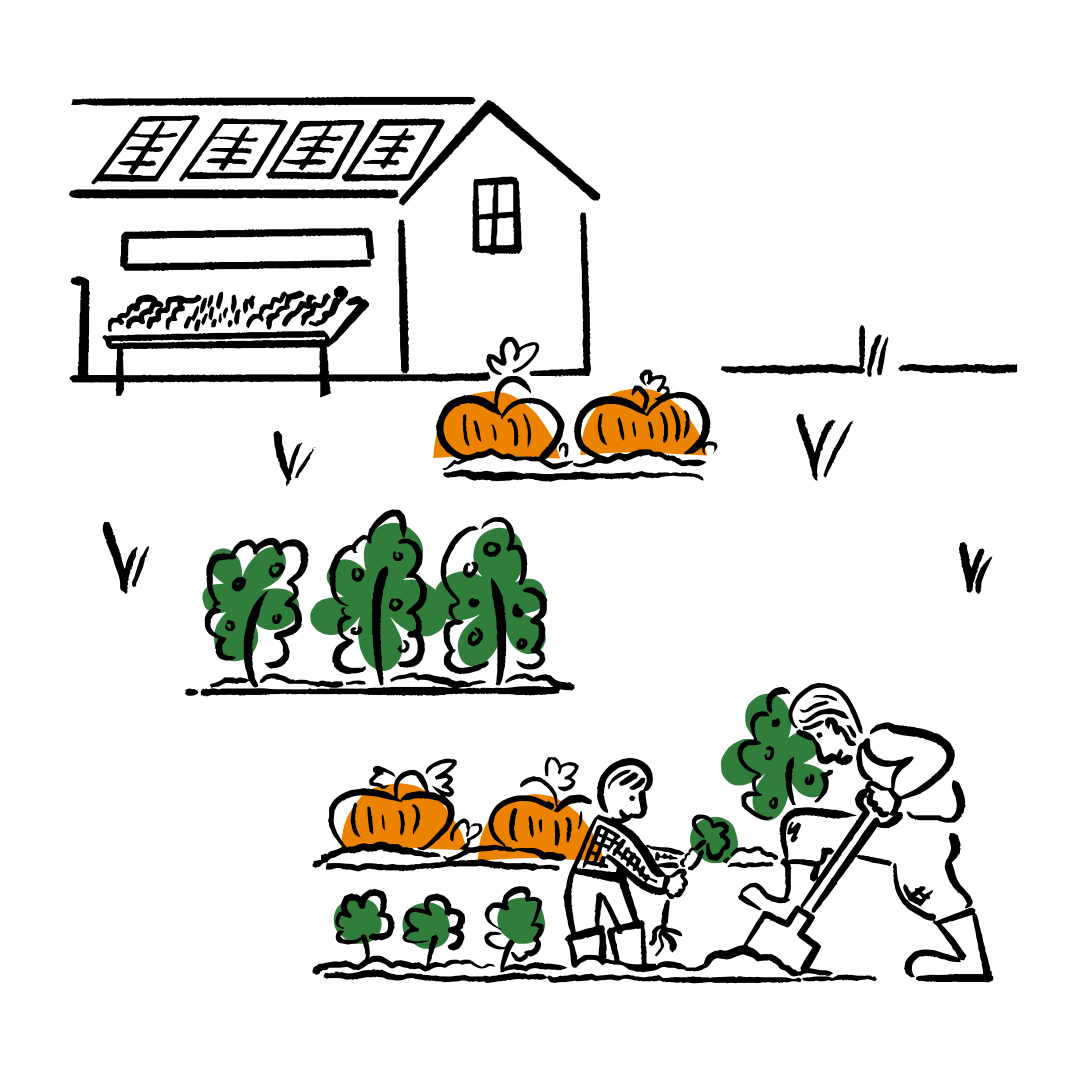
Community growing projects, allotments and local food initiatives help connect people with sustainable food, improve wellbeing and strengthen local resilience. - Working in partnership
Food Plymouth brings together organisations, businesses, community groups and public sector partners to drive positive change and create a healthier, more sustainable food system for the city.
Although food-related emissions are difficult to quantify at a city-wide level, the actions being taken across Plymouth are helping to reduce waste, encourage sustainable behaviours and support wider environmental goals.
How will we measure our wider progress?
With food waste collections being introduced across Plymouth, we will be able to build a clearer picture of food waste and measure the positive impact of reducing and recycling that waste across the city through the metric of household waste:
Household Waste
Percentage of household waste that is sent for reuse, recycling or composting
See what’s happening across the city
Projects