


Contributor
Climate Connections
Date
19 August 2025
Electric vehicles (EVs) have been present on UK roads for several years; however, many persistent misconceptions continue to circulate. Let’s tackle some of those common misconceptions and explore some of the benefits to EVs.
Myth: EVs are too expensive
Upfront costs can be a significant barrier to the adoption of EVs, but prices are decreasing with the ongoing investment into battery technology, more models available plus the new government electric vehicle grant offering discount on electric vehicles. You can get a brand new 160-mile range vehicle for under £20,000 and the used car market is competitive against petrol/diesel cars. Additionally, if you take into consideration the total cost of ownership of an EV against petrol/diesel there can be some significant savings with cost per mile, servicing and exemptions from congestion or clean air zones making an EV the cheaper option overall.
Myth: EVs are not as eco-friendly as claimed
There are discussions that EVs aren’t as eco-friendly as they claim to be but when you look at the full lifecycle emissions, the facts tell a different story. Even accounting for battery manufacturing, EVs still produce around three times fewer CO₂ emissions over their lifetime compared to petrol and diesel cars. Plus, as the UK’s electricity grid shifts further towards renewables, EVs will only get cleaner. Including the manufacturing process they generally break even on carbon emissions against an Internal Combustion Engine (ICE) vehicle around 17,000 miles or around 2 years.
Beyond carbon emissions, switching to EVs can also help improve our health. Air pollution from petrol and diesel exhaust fumes, can contribute to respiratory diseases and thousands of premature deaths each year. As EVs have no tailpipe emissions they can have a positive impact on the air quality in your area.
Myth: The increase of EV ownership will crash the UK electricity grid
A common fear is that if too many people switch to EVs, the UK’s electricity grid will be overwhelmed. But this simply isn’t true. Peak demand since 2002 has decreased and the current National Grid network has spare demand to cope with any future charging requirements. Majority of charging happens over night (Off Peak) where demand is low and may even stabilise the grid.
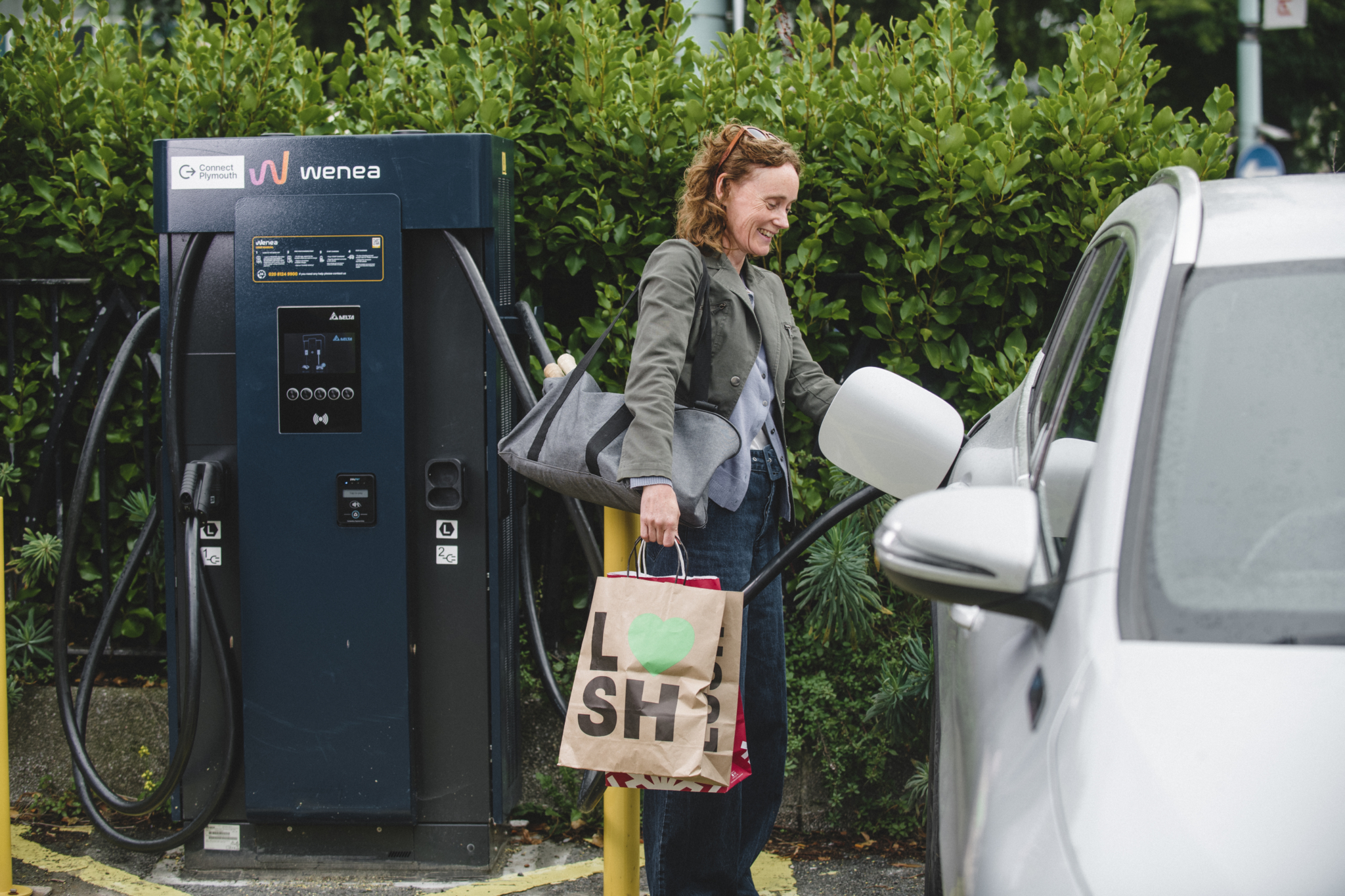
Myth: There are not enough charging facilities in the UK to cope with the increase of EVs
As of 2025, the UK has over 82,000 public charging points, and this number is growing every month with private and government funded schemes. Most EV owners charge at home. Around 80% of EV charging happens overnight, just like charging a phone, meaning drivers wake up every morning with a “full tank”. Mileage range on EVs is also growing as well as rapid charging facilities meaning reduced waiting and requirement times. Plymouth currently has over 300 public EV charging sockets with more to be delivered through the LEVI project.
Myth: EVs do not offer me the range that I require, and towns/motorways will be littered with EVs that have run out of charge
The average UK driver covers just 20 miles per day, yet many modern EVs can travel 250+ miles on a single charge. This is more than enough for daily commutes, school runs, and weekend shopping trips.
For long journeys, rapid chargers along motorways have been increasing matching EV requirements and these rapid/ultra rapid chargers can top up an EV’s battery in 20–30 minutes. You may need to undertake some planning if you are taking a journey to a city that you are not familiar with, in the same way you would need to look for a petrol station, but with more destination chargers and interactive mapping- finding a charger should not be a problem.
Myth: EVs are a fire risk
EVs are 11 times less likely to catch fire than petrol and diesel vehicles but more likely to be reported in the press when involved in a fire giving the perception that they are a fire risk. People are quick to assume that any vehicle fire is an EV but as not fully reported the fire which damaged the long stay car park at Luton Airport was a diesel ICE and not an EV. Fire services are now fully trained and equipped to deal with any EV fire.
Myth: EV do more damage to the roads creating more potholes
EVs are heavier than their petrol and diesel counterparts, but the shift to larger SUV-type ICE vehicles has increased the size and weight of all vehicles, regardless of fuel.
Most of the road damage is mostly caused by large vehicles such as buses and heavy goods vehicles. Smaller vehicles make a negligible contribution to road wear and tear.
More
Stories

Growing Solutions: How Community Gardens Are Tackling Climate Change
Learn more about the benefits of Community Gardens in Plymouth and find your local green space.
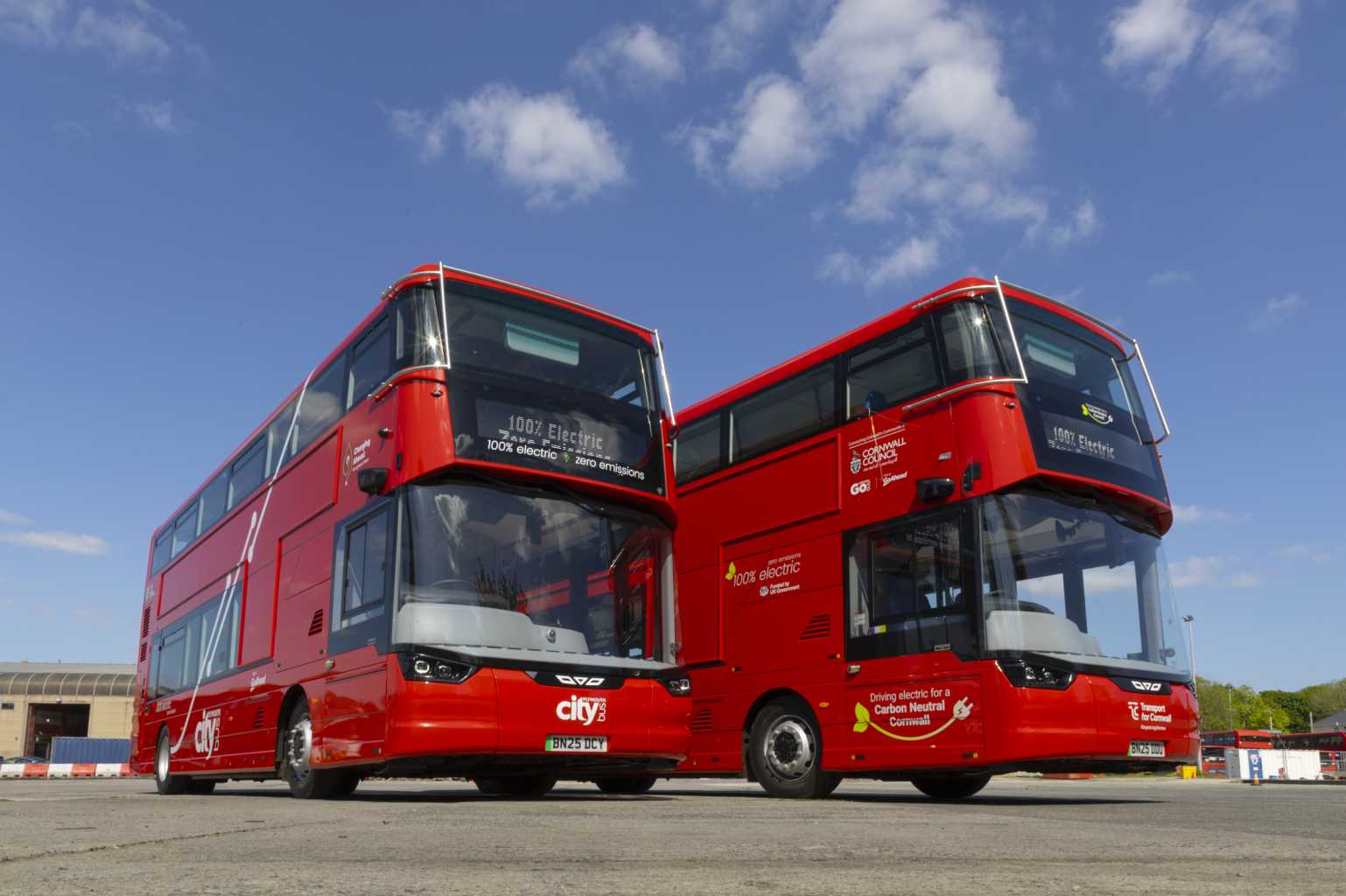
Driving Change: What Plymouth Citybus Learned from Going Electric
Practical tips from Plymouth Citybus on upgrading fleets and charging infrastructure.