


Contributor
Climate Connections
Date
26 April 2026
Spring has a way of making us want to throw open the windows, clear out the cupboards and freshen things up. It’s a tradition that’s been around for generations and it turns out a gentle spring clean can be good for the planet too.
From the products we use, to what we do with unwanted bits and pieces, and even how tidy our digital lives, these small changes don’t just help the planet. You could save money, free up space and make your home feel calmer and healthier.

Quick spring clean energy check
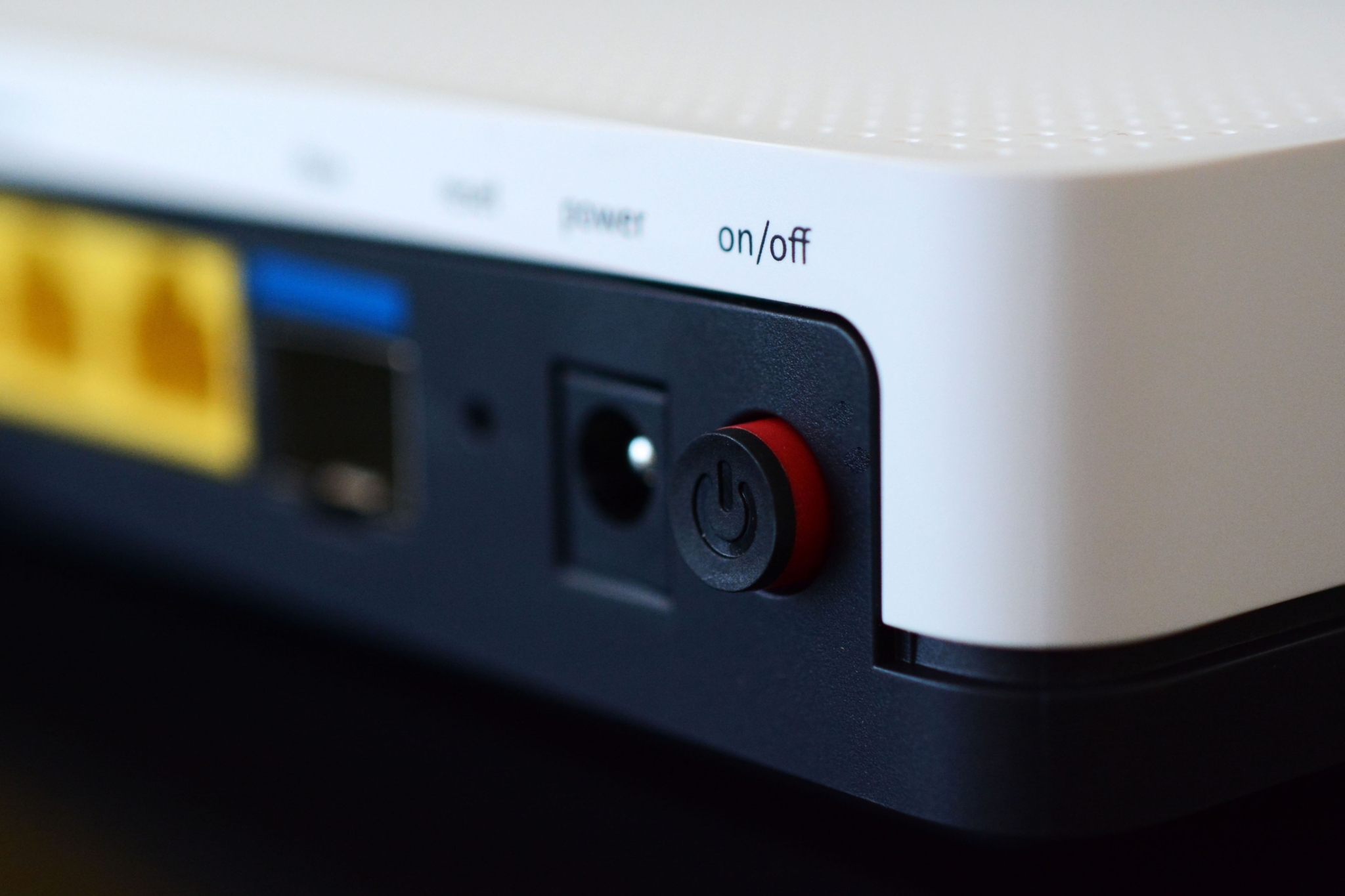
When you’re doing a deep clean, you move furniture, reorganise cupboards or crawl behind the TV unit, which is the perfect moment for an energy check. Many electrical items draw power even when they’re on standby.
Try:
- Switching appliances off at the plug when not in use
- Use a single switch extension lead for TVs and games consoles
- Check energy-saving settings on appliances and devices
- Make sure chargers aren’t plugged in unnecessarily.
Turning your electricals off can help cut energy bills and reduce unnecessary electricity use. It can also offer a little peace of mind, as unplugging unused devices lowers the risks of electrical faults when you’re out or sleep.
Cleaning less, using less
It might sound counterintuitive, but cleaning smarter, not harder, can also help reduce energy and water use.
For example:
- Washing clothes at lower temperatures
- Using your dishwasher on the eco setting
- Only running dishwashers and washing machines when they’re full
- Air-drying clothes when the weather allows
These tweaks can reduce energy bills and help clothes and appliances last longer.
Lower energy bills. Less time cleaning. Long-lasting items.
Composting and food waste
A spring clean is also a great time to take a closer look at your kitchen. With food waste collections now rolled out to over 25,000 households across Plymouth, it’s easier than ever to stop food scraps going in your general bin.
When food waste ends up in landfill, it produces methane, a powerful greenhouse gas. Separating it out means it can be turned into biofuel and compost instead.
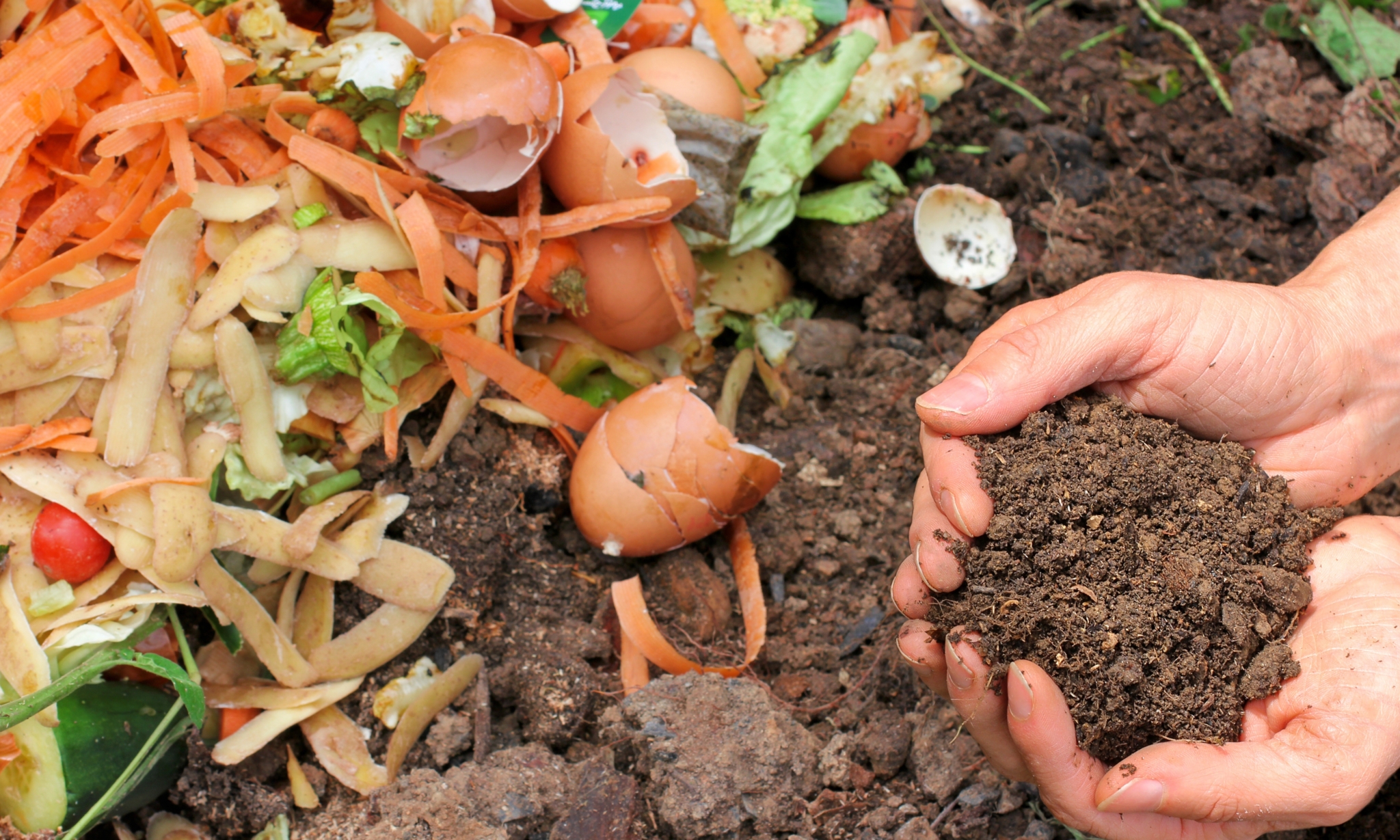
Reducing food waste can also help household budgets go further, as it helps us understand what we’re buying, but not using. Separating food waste means less smelly bins, fewer pests and less pollution reaching the wider environment. So far, the new food waste service has had some encouraging participation, with thousands of residents putting their caddies out for collection!
Less food wasted, cleaner bins and fewer emissions going into the atmosphere.
Put your caddy to work:
- Keep your food waste caddy somewhere convenient in your kitchen
- Line it with newspaper or provided compostable liners
- Use your spring clean to check what’s hiding at the back of the fridge
- Any unwanted food items still in date can be donated to your local food bank, or through supermarket initiatives
It’s a small habit change, but one that makes a real difference city-wide when lots of households take part.
Don’t forget to digital detox
You don’t just have to stop at cupboards or drawers. Our digital lives, including emails, photos, files and cloud storage, also use energy, even though we don’t see it.
Data is stored in physical data centres that need electricity and cooling, often using clean water, to run. As digital use grows, so does its carbon footprint.

Digital tidy-up tips:
- Delete old emails, especially those with large attachments
- Unsubscribe from newsletters you no longer read
- Clear out duplicate photos and files
- Delete unused apps and online accounts
Many people find a digital clear-out improves focus, speeds up device and makes it easier to find what they actually need. A lighter inbox can feel just as satisfying as a tidy cupboard.
Decluttering without adding to landfill
A spring clear-out can often uncover clothes, books, furniture and household items we no longer want or need. Where these items end up next really matters.
Keeping items in use for longer helps reduce the need to make new things, which cuts down on the carbon emissions linked to manufacturing and transport.

In Plymouth, there’s lots of ways to pass things on locally:
- Repair Cafés across the city can help fix broken items, from small electricals to clothing (Why not time your spring clean with The Big Fix?)
- Plymouth Scrapstore gives surplus materials a second life through reuse and creativity
- Community swaps and sharing events are a great way to refresh what you have without buying new
- Local charities and reuse groups welcome good-quality donations
While reducing waste, supporting these Plymouth organisations keeps skills, materials and value circulating in the city.
A lighter touch
Many everyday cleaning products contact chemicals that can be tough on waterways and wildlife once they’re washed down the drain. They also tend to come wrapped in plastic that’s often only used once. Switching to simpler, refillable or homemade options can reduce waste and pollution, without sacrificing a clean home.
Using fewer products can also save money and reduce the chemicals coming into our homes. Simpler cleaners tend to be gentler on skin, safer around children and pets and are better for indoor air quality too.

Try these ideas to get you started:
- Use one good multi-purpose cleaner instead lots of specialist products
- Look out for refill options to cut down on plastic bottles
- Try natural ingredients like vinegar, bicarbonate of soda and lemon for everyday jobs
- Swap disposable wipes for washable cloths (you could also make these out of old t-shirts or towels!)
Fewer products to buy, fewer chemicals at home and less plastic to recycle.
Good for you, good for Plymouth
Spring cleaning is a familiar moment in the year, a chance to reset, feel lighter and maybe make some choices and build some habits that also help the planet too.
If it makes your home easier to live in, your energy bills a little lower, your space calmer or your cupboards and inbox easier to manage, that’s worth a shot. The climate benefits are real, but so are the everyday wins!
More
Stories

Driving Change: What Plymouth Citybus Learned from Going Electric
Practical tips from Plymouth Citybus on upgrading fleets and charging infrastructure.

Punchy poems that make a point
Climate Ambassador, Alan Ramage, invites you to embrace the power of haikus for positive climate action!