


Contributor
Plymouth City Council
Date
8 June 2026
A new heat network boundary consultation is now live, inviting people to have their say on district heating zones, that could significantly reduce the city’s carbon emissions.
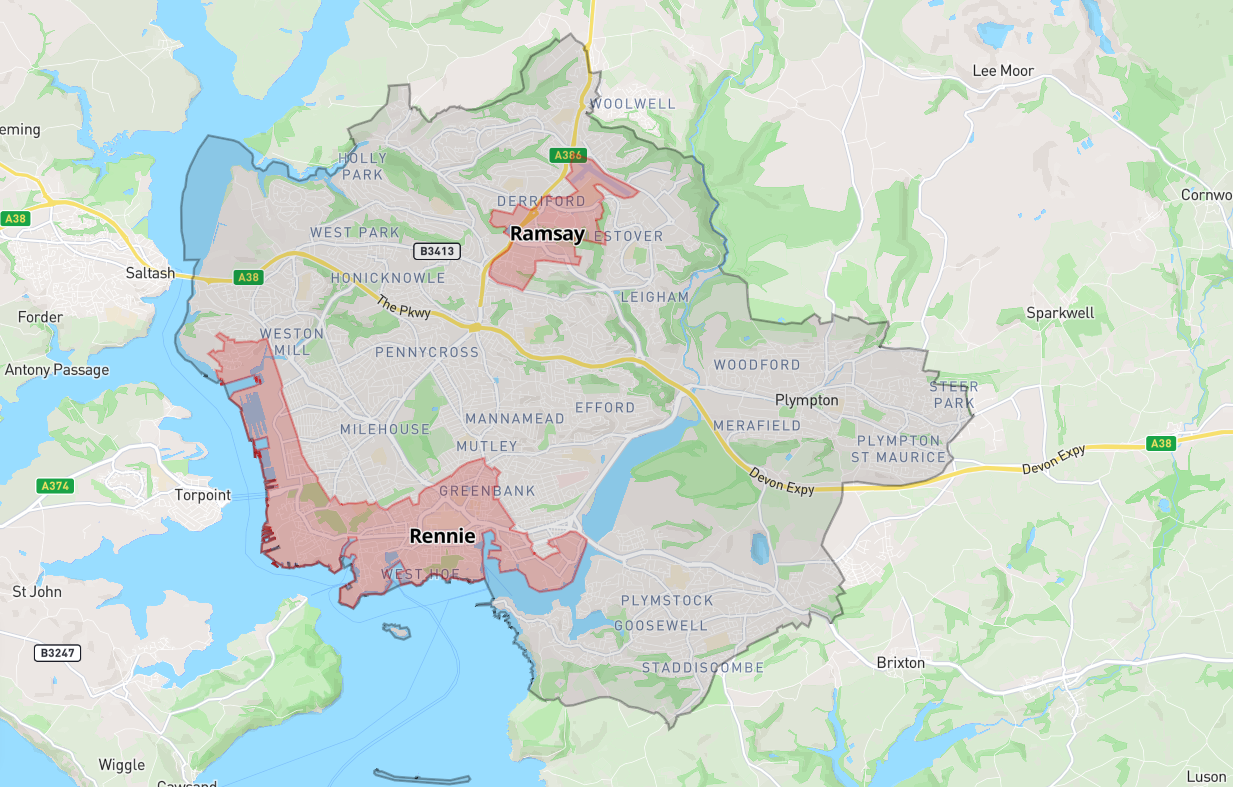
Plymouth City Council is seeking feedback on the boundaries of two proposed heat network zones in the city, one covering the city centre and waterfront (Rennie) and the other in Derriford (Ramsay).
If delivered, these zones together could reduce Plymouth’s carbon emissions by at least 5%, making an important contribution towards the city’s net zero ambitions.
What are heat networks?
Heat networks are a low-carbon, low-cost alternative way of heating buildings, supplying warmth from a number of larger sources of heat that are networked rather than individual gas boilers.
They are considered a key part of the UK’s transition to low-carbon energy, helping to:
- Reduce reliance on fossil fuels
- Improve energy efficiency
- Support cleaner, more sustainable urban development
Heat networks in Plymouth can secure affordable, local energy for the long term.
Have your say
The consultation is open for six weeks, from 8 June to 19 July 2026, and is open to:
- Building owners in or near the proposed zones
- Businesses and organisations in or near the proposed zones
- Community groups in or near the proposed zones
- Residents living or working in or near the proposed zones
Whether you support the proposals or want to share feedback, your voice will help shape the future of these plans.
Learn more and get involved
There are several opportunities to find out more and ask questions:
Online webinars
- 17 June (2pm to 3pm) – open to all
- 30 June (9am to 10am) – business-focused
- 6 July (7pm to 8pm) – open to all
Drop-in sessions across Plymouth
- 22 June (10am to 4pm) – Elements Café, Plymouth Science Park, 1 Davy Road, Derriford, PL6 8BX
- 24 June (10am to 4pm) – Devonport Library, St Aubyn Church, Chapel Street, Devonport, PL1 4DP
- 2 July – (5pm to 8pm) – Plymouth Energy Community Shop, Genesis Buiding, 235 Union Street, PL1 3HN
- 3 July – (12pm to 6pm) – Central Library, 167-171 Armada Way, PL1 1HZ
Questions?
If you have any questions, you can contact: heatnetwork@plymouth.gov.uk
More
News

Carbon-cutting collaboration launches
The University of Plymouth launches a collaborative exchange looking for carbon-cutting solutions. Read on to find out more about this exciting project.

Keeping your home cool in summer
Find out what quick and simple changes you can make to your home to help regulate temperature.