


Contributor
Climate Connections
Date
24 July 2025
The three main types of electric vehicles (EVs) are:
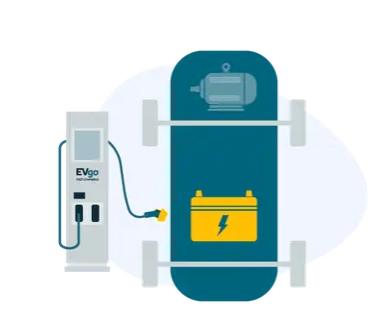
Battery Electric Vehicles (BEVs)
These are fully electric powered with no Internal Combustion Engine (ICE). Powered by an electric motor and rechargeable batteries. There are zero emissions from the tail pipe but will require access to a charging network.
Examples are Audi Q4, Kia Niro, Nissan Ariya, Tesla.
Plug-in Hybrid Electric Vehicles (PHEVs)
Plug-in Hybrid Electric Vehicles (PHEVs) combine an electric motor with a smaller internal combustion engine. Can operate on electricity alone for short distances, and the engine extends range. Depending on the ability to charge and distances the majority of short distances under 50 miles can be driven with no emissions. PHEVs bridge the gap for drivers who still have concerns about switching fully to BEVs but will benefit with fuel saving and reducing short distance emissions.
Examples are BMW Series 3, Volvo XC60 Ford Puma BYD Seal U.

Hybrid Electric Vehicles (HEVs)
Hybrid Electric Vehicles (HEVs) use both an electric motor and an internal combustion engine. They do not need to be connected to a charge point as energy required to charge the small electric motor is from breaking or direct from the ICE usage. They will save on fuel costs especially if the majority of trips are short distances and will reduce the impact on the environment compared to a fully ICE car.
Examples are Nissan Qashqai-e power and Honda Civic e.

Watch the YouTube video in related links to explore the differences between these vehicles and see which one may be right for you.
More
Stories

Blossoms and blooms: five spots where spring shows up across Plymouth
Discover your favourite Plymouth spots where spring blossoms and blooms are in full swing.
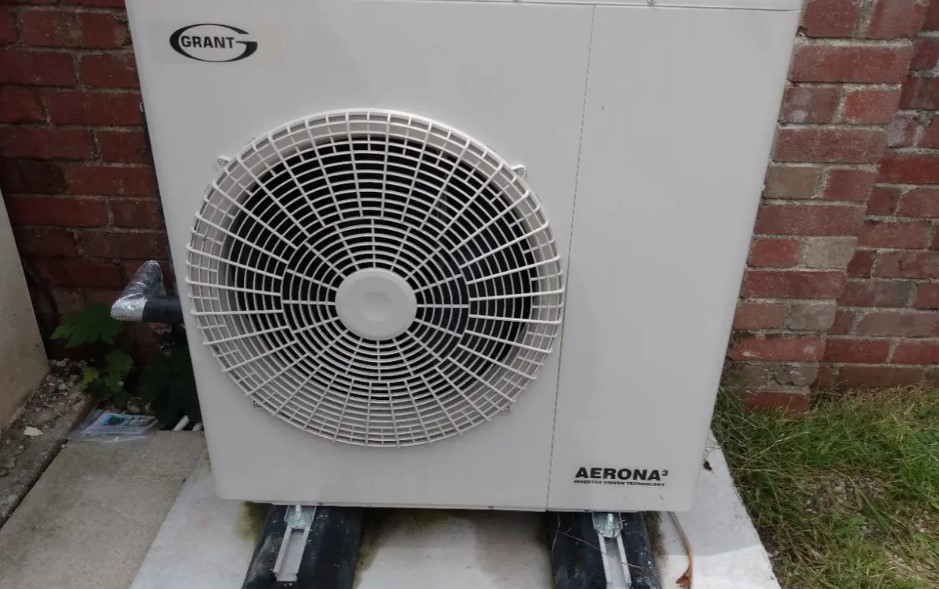
The Nuts and Bolts of Heat Pumps
Discover why heat pumps are a smart choice for your home, what they cost, and the funding available to help you make the switch!